VIP Sports Hospitality: Inside the Ultra-Luxury Paddock
For decades, the spectator experience in global athletics followed a familiar, democratic model. Fans purchased tickets, walked through stadium turnstiles, took their seats in grandstands or bleachers, and consumed classic concession-stand fare while watching the drama unfold on the pitch, court, or asphalt. Premium seating existed, but it was largely confined to elevated corporate skyboxes with tinted windows and modest buffet counters.
However, over the past decade, a profound luxury transformation has swept across international sports entertainment: The Multi-Billion-Dollar Rise of Ultra-Luxury VIP Sports Hospitality.
Nowhere is this evolution more dazzling, competitive, and lucrative than inside the Formula 1 Paddock Club and its elite hospitality equivalents across global premier events—such as Wimbledon’s exclusive debenture lounges, the Super Bowl’s on-field suites, and the Monaco Grand Prix’s private superyacht harbors.
Continues after advertising
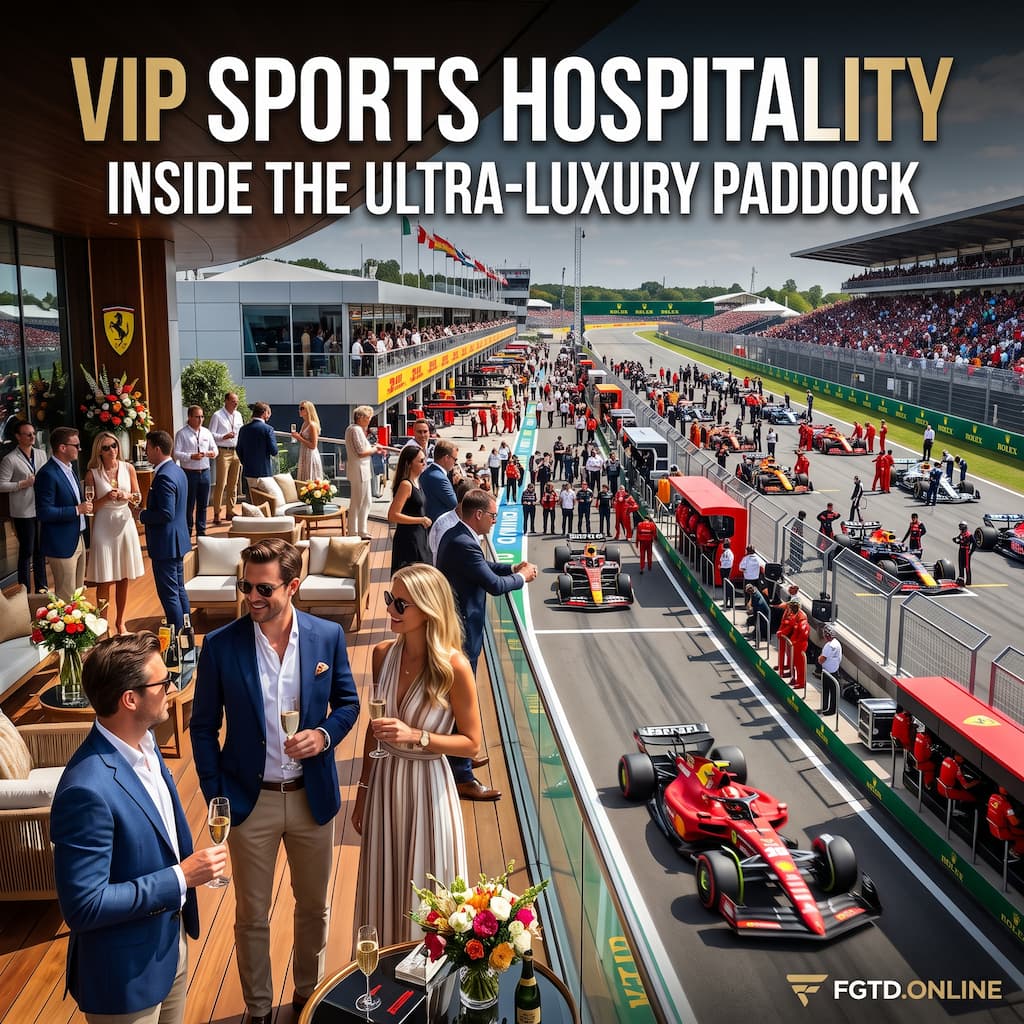
The modern VIP paddock has evolved far beyond a privileged vantage point to watch high-speed racing. It has transformed into a floating Michelin-starred culinary theater, a high-stakes networking summit for global corporate titans, and an experiential sanctuary where guests enjoy direct, behind-the-scenes access to drivers, team principals, and cutting-edge engineering garages.
With ticket prices regularly climbing from $5,000 to well over $30,000 per person for a single grand prix weekend, ultra-luxury paddock hospitality has established itself as the ultimate status symbol of modern sports travel.
This post explores the operational and sensory universe inside the modern Formula 1 Paddock Club, breaks down the multi-tiered architecture of elite sports entertainment, compares traditional corporate skyboxes with modern immersive paddock suites, and examines the economic forces turning luxury hospitality into the primary revenue driver for world-class sporting properties.
1. The Paddock Club Phenomenon: A Traveling Five-Star Enclave
To understand the magnetic allure of modern VIP sports hospitality, one must look at the logistical marvel that is the official Formula 1 Paddock Club.
Operating directly above the team pit garages, the Paddock Club is an ultra-exclusive hospitality structure that travels across five continents, landing in twenty-four cities per season—from the dazzling desert nights of Bahrain and Abu Dhabi to the glamorous streets of Monaco and the vibrant entertainment capital of Las Vegas.
The Sensory Environment
Stepping into the Paddock Club immediately isolates guests from the chaos, heat, and crowds of the public grandstands:
- Acoustic and Climate Luxury: High-performance soundproof panoramic glass walls suppress the deafening scream of hybrid V6 engines to a refined hum, allowing seamless conversation within fully air-conditioned, bespoke designer lounges.
- Michelin-Grade Gastronomy: Rather than standard catering, menus are developed by world-renowned master chefs. Guests dine on customized multi-course tasting menus featuring fresh black truffles, Wagyu beef tenderloin, sustainably sourced caviar, and bespoke desserts, accompanied by unlimited pours of vintage champagne and rare sommelier-curated wines.
- Unrivaled Sightlines: Positioned directly above the pit lane, VIP guests look straight down into the active team garages during high-pressure pit stops, feeling the tactile vibration of wheel guns changing four tires in less than two seconds.
2. Unprecedented Access: The Currency of Behind-the-Scenes Exclusivity
In the modern luxury economy, material goods have been superseded by access. High-net-worth individuals and corporate executives do not merely want luxury comfort; they demand experiences that cannot be purchased through standard commercial channels.
The ultra-luxury paddock delivers this through curated access privileges:
The Guided Pit Lane Walk
While general ticket holders watch from afar, VIP paddock guests are escorted down into the active pit lane during designated daily windows:
- Guests stand inches away from multi-million-dollar carbon-fiber chassis as mechanics run calibration tests on aerodynamic wings, suspension wishbones, and brake duct cooling systems.
- Guests observe elite drivers practicing physical reaction drills, testing custom steering wheels, and reviewing telemetry with race engineers.
Intimate Celebrity and Driver Q&A Sessions
Inside the private team hospitality motorhomes (such as those of Ferrari, Mercedes-AMG, and Red Bull Racing), paddock guests attend private, moderated sessions with reigning world champions, team principals, and motorsport legends. Guests hear unfiltered technical assessments, tire management strategies, and tactical secrets directly from the figures orchestrating the race.
Garage Tours and Telemetry Viewing
The absolute apex of paddock hospitality is the inside-the-garage tour:
- Wearing specialized team headsets, guests stand inside the live telemetry control center during practice sessions.
- Listeners hear real-time radio chatter between the driver, race engineer, and pit wall strategist, viewing live tire-temperature heatmaps and fuel-flow analytics as cars fly past at over 200 miles per hour.
3. Structural Comparison: Traditional Corporate Skyboxes vs. Ultra-Luxury Paddock Hospitality
Evaluating the sensory, operational, and financial dimensions that separate legacy corporate arena suites from modern immersive paddock suites highlights why luxury hospitality has become an experiential powerhouse:
Spatial Proximity and Immersion
- Traditional Corporate Skyboxes: Distant, elevated perspective; enclosed behind thick glass high above the stadium floor, isolating attendees from the visceral energy of the game.
- Ultra-Luxury Paddock Hospitality: Immediate, multi-sensory immersion; directly adjacent to the pit lane or sidelines, where guests experience the physical sound, smell of burnt rubber, and vibrations of competition firsthand.
Culinary Quality and Beverage Programs
- Traditional Corporate Skyboxes: Standard hotel banquet catering; static hot plates, pre-packaged finger foods, and house-label wines.
- Ultra-Luxury Paddock Hospitality: World-class fine dining; live chef cooking stations, freshly flown-in local and international delicacies, and dedicated master mixologists crafting artisanal cocktails.
Networking Demographics & Business Synergy
- Traditional Corporate Skyboxes: Primarily local corporate entertainment; clients from local regional firms within a single metropolitan area.
- Ultra-Luxury Paddock Hospitality: Global C-suite nexus; attracts multinational Fortune 500 CEOs, venture capital general partners, heads of state, tech founders, and entertainment icons from around the world.
Access to Athletes and Key Personnel
- Traditional Corporate Skyboxes: Zero direct athletic interaction; players remain strictly isolated in locker rooms and on the playing surface.
- Ultra-Luxury Paddock Hospitality: Organic access; scheduled private appearances, autograph opportunities, and impromptu conversations in the corridors of team hospitality suites.
4. The Economics of High-End Hospitality: Driving the Sports Balance Sheet
The meteoric rise of ultra-luxury sports hospitality is driven by compelling financial fundamentals. For sports franchises and event promoters, premium hospitality generates an outsized share of total event revenue relative to physical footprint:
- Disproportionate Revenue Density: While VIP hospitality attendees typically account for only 3% to 5% of the total physical crowd at a major sporting event, they frequently generate 25% to 40% of total ticketing revenue.
- Corporate Entertaining and Deal-Making: Multinational corporations, investment banks, and luxury conglomerates view high-end sports hospitality as essential relationship-building investments. Securing a $100,000 weekend suite is a negligible customer acquisition cost when used to finalize an eight-figure merger, partnership, or enterprise contract.
- Resilience to Economic Volatility: While standard ticket sales can fluctuate during broader macroeconomic downturns, demand for ultra-luxury VIP experiences among high-net-worth individuals and corporate marketing budgets has demonstrated remarkable pricing resilience, consistently commanding record premiums year after year.
5. Beyond Motorsport: The Cross-Sport Luxury Hospitality Boom
The immense success of the modern Formula 1 paddock model has inspired leading sporting organizations worldwide to reimagine their own premium offerings:
- Wimbledon and Grand Slam Tennis: Traditional grass-court debenture lounges have been augmented with private garden suites, pairing vintage English afternoon teas with private appearances by Grand Slam champions and private transfer services from London helipads.
- The NFL and On-Field Stadium Lounges: Modern American football stadiums—such as SoFi Stadium in Los Angeles and Allegiant Stadium in Las Vegas—feature field-level luxury suites where guests watch players sprint past just feet away, stepping out of private club lounges directly onto the sideline turf during warmups.
- European Football “Tunnel Clubs”: Premier League and UEFA Champions League clubs have constructed glass-walled dining clubs positioned inside the player tunnel. Guests enjoy five-star dining while watching star players line up, focus, and exchange glances moments before walking onto the pitch.
Read More👉 The Maya Ballgame: Sacred Rituals and the Roots of Sport
Conclusion: The New Frontier of Elite Sports Entertainment
The explosion of VIP sports hospitality and ultra-luxury paddocks reflects a permanent evolution in how sports entertainment is consumed. The days when elite sporting events offered wealthy patrons nothing more than an elevated seat and a glass of champagne are gone.
Today’s luxury sports traveler expects an all-encompassing sensory journey that merges five-star hospitality, world-class culinary art, and unfiltered access to the heart of the competition.
By tearing down the walls between the spectators and the competitors, the modern ultra-luxury paddock delivers something truly priceless: the feeling of being an insider in the greatest sporting arenas on Earth.
As international leagues continue to expand their global calendars and develop cutting-edge stadium architecture worldwide, immersive sports hospitality will remain the premier engine of sports luxury—permanently cementing VIP Sports Hospitality: Inside the Ultra-Luxury Paddock as the pinnacle of contemporary live entertainment.