The Future of Football: How Technology is Changing the Game
Football, the world’s most beloved sport, has always been about passion, skill, and strategy. But as technology continues to shape industries and experiences, it’s also making its mark on the beautiful game. From player performance tracking to fan engagement, modern technologies are revolutionizing how football is played, watched, and managed.
This blog dives into how technological advancements are predicting the future of football, with a look at what’s improving on-field performance, ensuring fair play, and making the fan experience better than ever before.
The Role of Wearable Tech in Player Performance
Enhancing Physical Performance
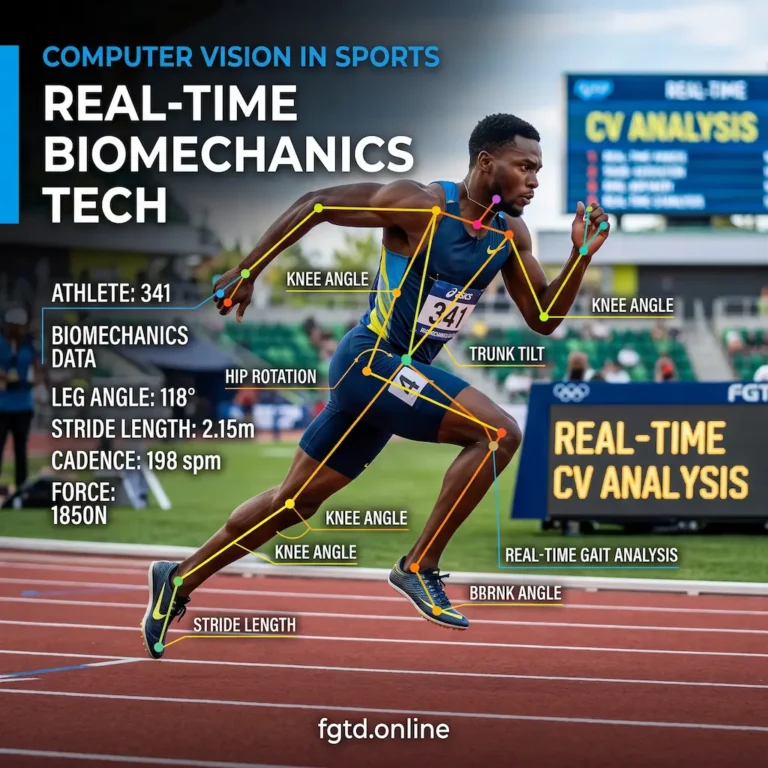
Wearables like fitness trackers and smart jerseys are helping players reach new levels of physical excellence. Devices equipped with GPS trackers and biometric sensors monitor crucial data like heart rate, stamina, speed, and distance covered during training and matches. For instance, Manchester City’s elite squad utilizes Catapult GPS trackers to optimize player conditioning and prevent injuries.
Continues after advertising
Coaches and sports scientists analyze this data to tailor training programs to individual player needs. The result? Teams that are not only well-prepared but also capable of minimizing the risk of burnout or overuse injuries.
Injury Prevention and Recovery
Technology like the Adidas miCoach and Whoop bands also monitor physical strain and recovery. AI-driven insights identify early signs of fatigue, stress, or potential injuries, allowing teams to proactively adjust their strategies for player safety. Clubs like Liverpool FC have integrated these systems into training protocols and have seen an impressive reduction in injury frequency over the years.
Video Assistant Referee (VAR) and Fair Play
If there’s one contentious yet game-changing technology, it’s Video Assistant Referee (VAR). Introduced to help referees make more informed decisions, VAR reviews borderline incidents, such as penalties, red cards, and goals, using slow-motion cameras and detailed visuals.
Though divisive among fans and pundits, VAR’s impact on fairness cannot be denied. According to FIFA reports, the accuracy of decisive on-field calls has increased significantly, ensuring fewer erroneous judgments impact critical matches. The 2022 World Cup in Qatar provided a showcase for VAR’s technological advancements, including semi-automated offside detection that used 3D visuals to confirm game-changing decisions in seconds.
Big Data and Analytics in Strategic Decision-Making
Smarter Tactics and Lineup Choices
Data analytics is now an integral part of football strategy. Clubs analyze everything from player heatmaps to opposition defensive patterns using tools like Opta and StatsBomb. This has enabled managers like Liverpool’s Jürgen Klopp to make data-backed tactical decisions that enhance team performance.
Analytics also play a vital role in player recruitment. Clubs use tools like Wyscout and Scout7 to assess potential signings, examining everything from a player’s weaknesses to their suitability for different playing systems.
Fan Impact
Interestingly, big data is also transforming fan interaction. Clubs like FC Barcelona and Juventus gather massive amounts of fan data to create personalized experiences for supporters, ensuring loyalty and long-term engagement.
Augmented Reality (AR) and Virtual Reality (VR) for Fans
AR for the Matchday Experience
Augmented Reality (AR) is reshaping how fans visually experience games. Apps like Heineken’s AR-enabled stadium experiences allow fans to overlay live player stats during matches on their phones, enhancing their understanding of the ebb and flow of the game.
VR for Immersive Fan Engagement
Meanwhile, VR is paving the way for fully immersive experiences. Fans can now “attend” matches in VR, virtually placing them in stadium seats from the comfort of their homes. Companies like NextVR are collaborating with leagues and broadcasters to take fan engagement to the next level. Imagine cheering for your team during the UEFA Champions League final, all through the lens of a VR headset!
Artificial Intelligence in Scouting and Analysis
AI is proving to be a game-changer for talent scouting and match analysis. Recruitment teams use AI models to identify promising talent by analyzing a combination of historical performance, potential growth, and playing style.
On matchdays, AI-powered software like Hudl Assist breaks down game footage into actionable insights in minutes. This allows coaches to adjust tactics even in real time. For example, Real Madrid’s coaching staff uses AI insights to refine their play during high-pressure situations, giving them a competitive edge.
Sustainability and Green Technology in Football
The future of football isn’t just bright; it’s also green. Clubs are increasingly adopting environmentally friendly technologies to make the sport more sustainable. For instance, Forest Green Rovers in the UK has earned the title of the “world’s greenest football club” by introducing sustainable facilities, vegan menus, and energy-efficient floodlights in their stadium.
New energy-efficient stadium designs and technology-driven waste management systems ensure that football contributes to a more sustainable future. This emphasis on eco-friendly practices is already creating a standard for how sports in general should operate in the years to come.
Read More👉 The Crossover: Real Athletes Streaming and Competing in Esports
The Future Is Here
Football may be a sport steeped in tradition, but its future is driven by technology. Wearable tech, VAR, big data, AI systems, AR/VR innovations, and sustainable practices are reshaping the game, creating opportunities to elevate it both on and off the field.
For players, clubs, and fans alike, one thing is clear: football’s technological transformation is making the game faster, fairer, and more connected than ever before.
Want to stay updated on the latest sports innovations? Bookmark SportsHub for more stories about cutting-edge game developments.