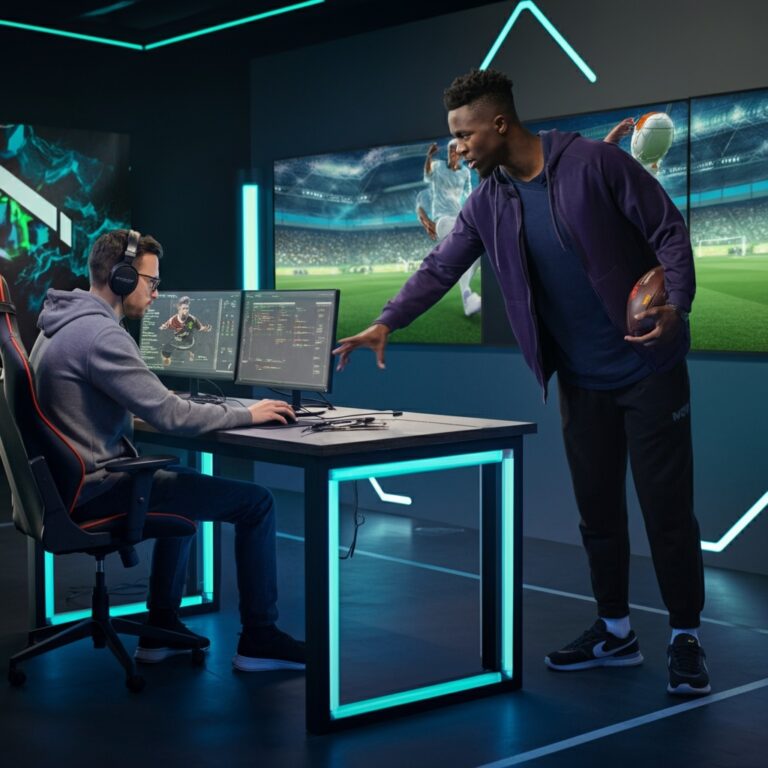
Controller or Keyboard? The Debate That Defines Esports Identity
The sound is unmistakable—the rapid-fire clicking of a mechanical keyboard echoing through a gaming arena, punctuated by the softer press of controller buttons from the booth next door. This auditory divide represents one of esports’ most enduring debates: which input method truly defines competitive gaming excellence?
Unlike traditional sports where equipment standards are largely uniform, esports exists in a unique space where the tools of competition vary dramatically across different titles. A professional Counter-Strike player wielding a mouse and keyboard operates in a completely different tactile universe than a Street Fighter champion executing frame-perfect combos on an arcade stick or gamepad.
This isn’t merely a question of personal preference or technical superiority. The controller versus keyboard debate touches the very core of what esports represents as a competitive medium. It influences everything from tournament formats and prize pools to player development pathways and spectator engagement. Understanding this divide offers crucial insights into how competitive gaming has evolved and where it’s heading.
Continues after advertising
The stakes extend beyond individual player performance. Game developers, tournament organizers, and even traditional sports organizations looking to enter esports must navigate these input method considerations when designing competitions, establishing rules, and building sustainable competitive ecosystems.
The Technical Foundation of Input Methods
Precision and Speed: Where Each Method Excels
Mouse and keyboard combinations offer unparalleled precision for aiming-intensive games. The ability to make micro-adjustments with pixel-perfect accuracy has made this setup the gold standard for first-person shooters like Counter-Strike: Global Offensive and Valorant. Professional players can achieve sensitivities that allow for 360-degree turns with minimal mouse movement while maintaining the granular control needed for long-range engagements.
Controllers, meanwhile, excel in scenarios requiring analog input and complex button combinations. The pressure-sensitive triggers and analog sticks provide nuanced control over character movement and actions that binary keyboard inputs simply cannot match. Fighting games showcase this advantage most clearly—the precise quarter-circle motions and varying button press strengths that define high-level play are naturally suited to gamepad layouts.
Response Time and Input Lag Considerations
Modern gaming keyboards and mice can achieve polling rates of 1000Hz or higher, translating to input lag as low as 1 millisecond. This near-instantaneous response time becomes crucial in games where frame-perfect timing determines victory. Professional esports keyboards often feature mechanical switches specifically chosen for their consistent actuation points and minimal travel distance.
High-end gaming controllers have made significant strides in reducing input lag, with some models achieving sub-5ms response times. However, wireless controllers introduce additional variables—battery level, interference, and connection stability can all impact performance during critical moments. Many professional players still prefer wired connections for tournament play to eliminate these potential issues.
Customization and Adaptability
PC gaming peripherals offer extensive customization options that console controllers traditionally haven’t matched. Programmable keys, adjustable DPI settings, and software-based macro creation allow players to optimize their setup for specific games or even individual strategies within those games. Some professional players use keyboards with specialized layouts or custom keycap configurations tailored to their preferred games.
Modern controllers have introduced more customization features, including remappable buttons, adjustable trigger sensitivity, and modular components. However, the fundamental layout constraints of controllers limit how extensively they can be modified compared to the virtually unlimited configuration possibilities of keyboard and mouse setups.
Game-Specific Preferences and Requirements
First-Person Shooters: The Mouse Advantage
The dominance of mouse and keyboard in competitive FPS games isn’t arbitrary—it’s rooted in fundamental mechanical advantages. The ability to combine precise crosshair placement with rapid 180-degree turns gives PC players a significant edge in games requiring quick target acquisition and tracking.
Counter-Strike: Global Offensive serves as the clearest example. Professional players routinely make shots that would be nearly impossible with controller aim assist disabled. The precision required for long-range AWP shots or the rapid target switching necessary in clutch situations showcases why keyboard and mouse remain the standard for tactical shooters.
However, some FPS games have found success bridging this divide. Fortnite’s cross-platform play includes sophisticated matchmaking algorithms that attempt to balance controller players’ aim assist against keyboard players’ building advantages. The success of this approach suggests that game design can accommodate both input methods when properly balanced.
Fighting Games: Controller Territory
Fighting games represent the strongest case for controller superiority in competitive gaming. The precise directional inputs required for special moves, the need for simultaneous button presses, and the importance of consistent timing all favor controller layouts designed specifically for these mechanics.
Street Fighter tournaments exclusively use specialized arcade sticks or gamepads because keyboard inputs simply cannot replicate the fluid motions that define high-level play. The diagonal inputs required for dragon punch motions or the precise timing needed for combo canceling work naturally with analog stick movements but become awkward and inconsistent on digital keyboard inputs.
Professional fighting game players often spend thousands of dollars on custom arcade sticks, treating them as precision instruments comparable to a musician’s preferred guitar or a chef’s favorite knife. This level of personalization and dedication to the input method itself demonstrates how deeply controllers are integrated into fighting game culture and competitive success.
Real-Time Strategy: Keyboard Complexity
RTS games showcase perhaps the most extreme example of keyboard and mouse necessity in competitive gaming. StarCraft II professionals regularly achieve 300+ actions per minute, requiring rapid navigation between dozens of hotkeys while simultaneously managing precise unit control with mouse movements.
The complexity of managing multiple control groups, executing build orders, and micromanaging individual units creates input demands that far exceed what any controller configuration could reasonably accommodate. Professional RTS players often use specialized keyboards with additional macro keys and customize their key bindings extensively to optimize their command execution speed.
Racing and Sports Simulations: The Analog Advantage
Racing games highlight controller strengths in providing analog input for steering, acceleration, and braking. While keyboard driving is possible, the binary nature of key presses cannot match the subtle throttle control and steering adjustments that separate professional sim racers from casual players.
FIFA and NBA 2K competitions demonstrate similar controller advantages. The precise movement control, varying shot power, and complex skill moves that define high-level play in these games are naturally suited to analog stick inputs and pressure-sensitive triggers.
Professional Player Perspectives
Training and Muscle Memory Development
Professional esports athletes often spend years developing muscle memory specific to their chosen input method. Keyboard and mouse players develop incredibly precise hand-eye coordination, with some able to hit pixel-perfect shots consistently under tournament pressure. The investment in mechanical keyboard switches, mouse sensors, and mousepad surfaces reflects the importance of tactile consistency in their training regimens.
Controller players develop different but equally sophisticated muscle memory patterns. The ability to execute complex combo sequences in fighting games or perform precise analog stick movements in racing games requires thousands of hours of practice to achieve tournament-level consistency.
Switching between input methods isn’t merely inconvenient for professional players—it can represent months or years of retraining fundamental motor skills. This creates strong ecosystem effects where players gravitate toward games that match their established input preferences.
Ergonomics and Longevity Concerns
Professional gaming careers often span decades, making ergonomics a crucial consideration for input method choice. Keyboard and mouse setups allow for more varied hand positioning and can be adjusted to individual body mechanics more easily than controllers.
However, the repetitive strain injuries common among keyboard users—particularly carpal tunnel syndrome and tendonitis—have led some professional players to retire prematurely. Controller players face different but equally serious concerns, including thumb and wrist problems from extensive analog stick use.
Many professional organizations now employ physical therapists and ergonomic specialists to help players optimize their setups and prevent long-term injuries. The choice of input method becomes part of a broader health and career longevity strategy.
Cross-Platform Competitive Considerations
The rise of cross-platform gaming has forced tournament organizers to confront input method disparities directly. Some competitions separate players by input method, while others attempt to balance advantages through game mechanics or matchmaking algorithms.
Professional players increasingly must consider not just their preferred input method but also the competitive landscape of their chosen games. A controller player might achieve higher skill levels in fighting games, while the same player might find limited opportunities in FPS tournaments where keyboard and mouse dominate.
The Cultural Identity Factor
PC Gaming Culture and Keyboard Supremacy
PC gaming culture has historically emphasized customization, technical proficiency, and performance optimization—values that align naturally with keyboard and mouse gaming. The “PC Master Race” mentality, while often expressed humorously, reflects genuine beliefs about the superiority of mouse and keyboard for competitive gaming.
This cultural identity extends beyond mere performance considerations. Many PC gamers view keyboard and mouse proficiency as a mark of gaming dedication and skill, similar to how manual transmission driving was once considered more “authentic” among car enthusiasts.
Console Gaming Heritage and Controller Tradition
Console gaming culture developed around shared experiences, living room gaming, and accessible input methods. Controllers were designed to be comfortable for extended sessions and intuitive enough for players of all ages and skill levels to pick up quickly.
The social aspects of console gaming—couch co-op, family gaming sessions, and party games—shaped controller design priorities differently than the performance-focused PC peripheral market. This heritage influences how controller players view their input method choice, often emphasizing comfort and accessibility over pure performance metrics.
Community Division and Platform Wars
The input method debate often becomes proxy for broader platform preferences and gaming philosophies. These divisions can become surprisingly heated, with each side presenting technical arguments that mask deeper cultural loyalties.
Professional esports has both reinforced and challenged these divisions. While certain games maintain strong input method preferences, successful cross-platform titles have demonstrated that skilled players can compete effectively regardless of their chosen input method when games are properly balanced.
Tournament Infrastructure and Fairness
Standardization Challenges
Tournament organizers face complex decisions when establishing input method rules. Some competitions mandate specific hardware to ensure fairness, while others allow players to use their preferred setups within certain guidelines.
The logistics of supporting multiple input methods can be substantial. Providing adequate desk space for keyboard and mouse setups while also accommodating players who prefer arcade sticks or specialized controllers requires careful venue planning and increased equipment costs.
Anti-Cheat and Hardware Verification
Different input methods create different cheating vectors that tournament organizers must address. Programmable keyboards and mice offer more opportunities for unauthorized macros or input automation, requiring more sophisticated detection systems.
Controller modifications, while less common, can provide unfair advantages through rapid-fire modifications or input timing alterations. Tournament-grade hardware verification becomes more complex when supporting diverse input methods across multiple game titles.
Spectator Experience Considerations
The visual spectacle of professional esports varies significantly between input methods. Keyboard players’ rapid typing and precise mouse movements create a different energy than the fluid motions of controller users. Some spectators find the technical precision of keyboard gaming more impressive, while others connect more easily with the familiar controller movements.
Camera work and production techniques often adapt to highlight the strengths of different input methods. Close-ups of rapid keyboard combinations during clutch plays or slow-motion shots of precise analog stick movements serve different storytelling purposes in competitive broadcasts.
Looking Forward: Technology and Evolution
Emerging Input Technologies
Virtual reality, motion controls, and brain-computer interfaces represent potential future input methods that could reshape competitive gaming entirely. These technologies might render the current controller versus keyboard debate obsolete while creating entirely new categories of competitive advantage.
Eye-tracking technology is already being integrated into some gaming peripherals, potentially offering new forms of input precision that neither traditional keyboards nor controllers can match. As these technologies mature, they may create new divisions in the competitive gaming community.
Game Design Evolution
Modern game developers increasingly design with cross-platform play in mind, implementing sophisticated balancing systems to accommodate different input methods fairly. Machine learning algorithms now adjust aim assist, movement mechanics, and timing windows in real-time based on detected input methods.
This trend toward input-agnostic game design might eventually eliminate the performance disparities that fuel the controller versus keyboard debate. However, it also risks homogenizing the unique strengths that make different input methods interesting from a competitive standpoint.
Hybrid and Adaptive Solutions
Some players and manufacturers are experimenting with hybrid input solutions that combine elements of both keyboards and controllers. One-handed keyboards designed for MOBA games, controllers with additional programmable buttons, and modular input systems represent potential bridges between the two camps.
Adaptive technologies designed for players with disabilities have also contributed innovations that benefit all competitive gamers. These solutions often challenge traditional assumptions about optimal input methods and demonstrate that innovation in this space remains vibrant.
Read More👉 From Ancient Olympics to Tokyo 2020: The Evolution of Sports
The Broader Implications for Esports Growth
The controller versus keyboard debate reflects deeper questions about esports’ identity and future direction. As competitive gaming seeks broader mainstream acceptance and potential inclusion in traditional sporting events, input method standardization becomes more than a technical consideration—it becomes a question of accessibility and global participation.
The most successful esports titles often transcend these input method divisions by creating compelling competitive experiences regardless of how players choose to interact with the game. Rocket League’s success across PC and console platforms demonstrates that great game design can unite rather than divide gaming communities.
Professional players, tournament organizers, and game developers continue to navigate these choices daily, each decision shaping the future landscape of competitive gaming. The debate itself has become part of esports culture, reflecting the passionate engagement that makes competitive gaming such a compelling spectator sport.
Rather than declaring a winner in the controller versus keyboard debate, the esports community seems to be moving toward embracing the diversity that different input methods bring to competitive gaming. This acceptance suggests a maturing industry that values innovation and inclusion over rigid adherence to single competitive standards.
The future of esports likely lies not in resolving this debate but in leveraging the unique strengths each input method brings to create richer, more diverse competitive experiences that welcome players regardless of their preferred way to interact with the virtual worlds that define modern competitive gaming.