AI Referees: Are Human Officials Becoming Obsolete?
The whistle blows, the crowd erupts, and somewhere in the stadium, a referee makes a split-second decision that could determine the outcome of a multi-million dollar game. For over a century, human officials have been the final arbiters of athletic competition, their judgment calls becoming the stuff of legend—and controversy.
But artificial intelligence is changing the game. From tennis line calls to soccer offsides, AI systems are increasingly taking over responsibilities once reserved for human eyes and instincts. The technology promises unprecedented accuracy, eliminating the human error that has frustrated players, coaches, and fans for generations.
Yet as AI referees become more sophisticated and widespread, a fundamental question emerges: Are we witnessing the gradual extinction of human officials? The answer isn’t as straightforward as you might think, and the implications stretch far beyond the playing field.
Continues after advertising
The Rise of AI in Sports Officiating
Artificial intelligence has been quietly revolutionizing sports officiating for years, though most fans barely notice its presence. The transformation began with relatively simple applications and has evolved into sophisticated systems that can make complex judgments in real-time.
Early AI Implementations
The first wave of AI officiating focused on binary decisions—situations with clear right or wrong answers. Tennis led the charge with Hawk-Eye technology, introduced at Wimbledon in 2007. This system uses multiple high-speed cameras to track ball trajectories with millimeter precision, determining whether shots land in or out of bounds.
Cricket quickly adopted similar technology for LBW (leg before wicket) decisions, while soccer introduced goal-line technology to eliminate disputes about whether balls cross the line. These systems succeeded because they addressed specific, measurable scenarios where human error was most problematic.
Modern AI Capabilities
Contemporary AI officiating systems can handle far more complex scenarios. Video Assistant Referee (VAR) technology in soccer analyzes footage from multiple angles to detect offsides, handballs, and violent conduct. In basketball, automated systems track player movements to identify traveling violations and shot clock violations with superhuman consistency.
The NBA’s replay center in Secaucus, New Jersey, represents the current pinnacle of AI-assisted officiating. Multiple analysts review plays using advanced video technology, making decisions that would be impossible for on-court officials to see in real-time. The system processes thousands of data points per second, analyzing player positions, ball trajectories, and timing with mathematical precision.
The Accuracy Advantage
The most compelling argument for AI referees lies in their superior accuracy. Human officials, despite years of training and experience, remain fallible creatures operating under intense pressure and physical limitations.
Statistical Evidence
Research consistently demonstrates AI’s accuracy advantages. Hawk-Eye technology boasts a margin of error of just 3.6 millimeters, compared to human line judges who typically err by several centimeters. In soccer, studies show that human referees miss approximately 20% of offside calls that VAR would catch correctly.
Professional tennis has seen a dramatic reduction in controversial calls since implementing electronic line calling. The 2020 US Open, the first Grand Slam to eliminate human line judges entirely, experienced zero disputes over line calls—a stark contrast to previous tournaments where such disputes regularly disrupted matches.
Eliminating Bias
AI systems also address the unconscious biases that influence human officiating. Studies have documented numerous forms of referee bias: home field advantage calls, racial disparities in foul calling, and the tendency to favor star players or popular teams.
A comprehensive analysis of NBA officiating data revealed that games with all-white referee crews called fouls differently than games with racially diverse crews, particularly affecting Black players. AI systems, while not immune to bias in their training data, can be programmed to ignore factors like player reputation, crowd noise, and team popularity that unconsciously influence human judgment.
The Human Element: What AI Cannot Replicate
Despite their accuracy advantages, AI systems struggle with aspects of officiating that come naturally to humans. Sports officiating involves more than mechanical rule enforcement—it requires emotional intelligence, contextual understanding, and the ability to manage complex social dynamics.
Game Management Skills
Experienced referees excel at “managing” games—making strategic decisions about when to enforce rules strictly versus when to let play continue. A skilled basketball referee might overlook minor infractions early in the game to establish a flow, then tighten enforcement in crucial moments. This nuanced approach helps create entertaining contests while maintaining competitive fairness.
Hockey provides an excellent example of game management complexity. Referees often allow more physical play during playoff games, understanding that stricter enforcement might fundamentally alter the character of postseason competition. This flexibility requires cultural knowledge and emotional intelligence that current AI systems lack.
Handling Unexpected Situations
Sports regularly produce scenarios not covered by existing rules or precedents. When equipment malfunctions, weather conditions change, or players engage in unprecedented behavior, human officials must make judgment calls that require creativity and common sense.
Consider the infamous “Pine Tar Game” in baseball, where umpires had to determine whether George Brett’s home run should count despite his bat containing too much pine tar. The initial ruling, subsequent appeals, and eventual resolution required human interpretation of rules in a completely novel situation—the kind of complex reasoning that challenges even the most advanced AI systems.
Communication and Authority
Referees serve as authority figures who must command respect from elite athletes under extreme pressure. This requires strong communication skills, physical presence, and the ability to defuse tense situations through body language and verbal interaction.
A referee’s explanation of a controversial call can dramatically impact how players, coaches, and fans react. Skilled officials know how to acknowledge mistakes, explain complex rules, and maintain authority even when making unpopular decisions. These interpersonal skills remain uniquely human talents that AI cannot replicate.
Sports Adopting AI Officiating
Different sports have embraced AI technology at varying rates, reflecting their unique challenges and cultural attitudes toward technological intervention.
Tennis: The AI Pioneer
Tennis has moved furthest toward full AI officiating. The sport’s relatively simple geometry—defined court boundaries and clear contact points—makes it ideal for automated systems. Major tournaments now use electronic line calling for most matches, with human chair umpires handling only code violations and player interactions.
The ATP and WTA tours plan to eliminate human line judges entirely by 2025, citing improved accuracy and reduced costs. This transition has faced minimal resistance because tennis line calling involves straightforward binary decisions that AI handles with obvious superiority.
Soccer: Gradual Integration
Soccer has adopted AI more cautiously, reflecting the sport’s complex rules and global cultural importance. VAR systems assist human referees but don’t replace them, maintaining the tradition of on-field decision-making while reducing egregious errors.
The technology has proven controversial, with critics arguing that lengthy VAR reviews disrupt game flow and remove the human drama that makes soccer compelling. FIFA continues refining the system, seeking the optimal balance between accuracy and entertainment value.
American Football: Resistance to Change
The NFL has been slower to embrace comprehensive AI officiating, despite the sport’s complex rules and high error rates. While the league uses replay technology for specific situations, most calls still rely on human judgment in real-time.
This resistance partly reflects American football’s culture, where referee personalities and controversial calls have become part of the sport’s narrative appeal. The league fears that excessive automation might reduce the emotional drama that drives fan engagement and television ratings.
Basketball: Mixed Results
The NBA has experimented extensively with AI assistance while maintaining human referees for most decisions. The league’s replay center reviews specific plays remotely, but on-court officials handle the majority of calls.
Basketball’s fast pace and frequent contact make it challenging for AI systems, which struggle to distinguish between legal and illegal contact in real-time. The sport requires more subjective judgment calls than tennis or soccer, making full automation more difficult to achieve.
The Economic Reality
The push toward AI officiating isn’t driven solely by accuracy concerns—economics play a crucial role. Professional sports leagues face enormous pressure to minimize costs while maximizing revenue, making automation an attractive option.
Cost Savings
Human officials represent a significant expense for sports organizations. The NFL pays its referees between $25,000 and $70,000 per season, plus travel expenses and benefits. Major tennis tournaments employ hundreds of line judges for each event, creating substantial labor costs.
AI systems require significant upfront investment but offer long-term savings. Once installed, electronic line calling systems operate with minimal ongoing costs, eliminating the need for travel, accommodation, and salary expenses associated with human officials.
Consistency Benefits
AI officiating also provides consistency advantages that translate into economic benefits. Human referees vary in their interpretation of rules, creating unpredictable playing conditions that can affect competitive balance. Sports leagues value consistency because it ensures fair competition and reduces controversy that might damage their brand reputation.
Television broadcasts benefit from consistent officiating because it reduces the need for extensive replay analysis and controversial discussions that might frustrate viewers. Networks prefer predictable game flows that allow for more efficient commercial scheduling and viewer engagement.
Player and Fan Reactions
The sports community has responded to AI officiating with mixed emotions, reflecting broader societal attitudes toward automation and technological change.
Professional Athletes’ Perspectives
Most professional athletes support AI officiating in situations where it provides clear accuracy improvements. Tennis players universally praise electronic line calling, appreciating the elimination of disputed calls that previously disrupted their concentration and strategy.
However, athletes express concerns about losing the human element that allows for communication and relationship-building with officials. Basketball players often develop working relationships with referees, using verbal and non-verbal communication to understand how games will be officiated. AI systems cannot provide this interactive feedback that helps players adjust their behavior throughout competition.
Fan Reactions
Sports fans remain divided on AI officiating. Younger demographics tend to support technological solutions that improve accuracy, while older fans often prefer traditional human judgment despite its imperfections.
The entertainment value of controversial calls creates a complex dynamic. While fans hate when their teams suffer from incorrect decisions, they also enjoy the drama and discussion that referee controversies generate. Social media engagement often peaks during disputed calls, suggesting that perfect officiating might reduce fan interaction and emotional investment.
Media Coverage
Sports media has adapted to AI officiating by shifting focus from referee criticism to tactical analysis and player performance. This change has generally improved coverage quality, as commentators spend less time debating obvious errors and more time explaining strategic elements that casual fans might miss.
However, media outlets have also lost a traditional source of content—referee analysis and controversy discussion that previously filled hours of programming and generated significant viewer interest.
Challenges and Limitations of AI Referees
Despite their advantages, AI officiating systems face significant technical and practical challenges that limit their current capabilities.
Technical Limitations
AI systems excel at measuring physical events but struggle with subjective judgment calls that require contextual understanding. In basketball, distinguishing between aggressive defense and illegal contact often depends on factors like player intent, game situation, and historical precedent—elements that challenge current AI capabilities.
Computer vision technology, while improving rapidly, still struggles with complex scenarios involving multiple players, obscured views, and unusual playing conditions. Weather affects outdoor sports in ways that confuse AI systems trained on ideal conditions.
Rule Complexity
Many sports have rules that require interpretation rather than mechanical application. Soccer’s offside rule seems straightforward but includes numerous exceptions and subjective elements that human referees handle intuitively. Teaching AI systems to understand these nuances requires massive amounts of training data and sophisticated programming.
The handball rule in soccer exemplifies this complexity—determining whether contact is “deliberate” requires understanding player body position, movement patterns, and situational context. Even human experts disagree on many handball decisions, making it difficult to train AI systems to consistent standards.
Integration Challenges
Implementing AI officiating requires coordinating multiple technological systems while maintaining game flow and entertainment value. The infrastructure costs can be prohibitive for smaller leagues and venues, creating disparities between professional and amateur levels of competition.
Training human officials to work alongside AI systems also presents challenges. Referees must learn when to trust technological assistance versus relying on their own judgment, requiring new skills and decision-making frameworks.
The Future of Sports Officiating
The trajectory toward increased AI involvement in sports officiating appears inevitable, but the timeline and extent remain uncertain. Several factors will influence how quickly and completely this transformation occurs.
Technological Advancement
Improvements in computer vision, machine learning, and processing speed will address many current limitations of AI officiating systems. 5G networks enable real-time processing of multiple high-definition video feeds, while advances in neural networks improve AI’s ability to handle complex, subjective decisions.
Wearable technology integrated into uniforms and equipment will provide AI systems with additional data streams, enabling more accurate tracking of player movements and contact events. These developments will gradually expand the scope of decisions that AI can handle reliably.
Hybrid Models
The most likely future involves hybrid systems that combine AI accuracy with human judgment and authority. Human officials will focus on game management, player interaction, and complex situational decisions, while AI handles routine measurements and clear-cut rule violations.
This approach preserves the human elements that make sports compelling while leveraging technology’s accuracy advantages. The NBA’s current model—using remote replay centers for specific decisions while maintaining on-court referees—provides a template for this hybrid approach.
Generational Changes
Younger athletes, officials, and fans who have grown up with technology are more accepting of AI officiating than older generations. As these digital natives assume leadership positions in sports organizations, resistance to technological solutions will likely decrease.
The sports industry follows broader technological trends, and the general acceptance of AI in other sectors creates pressure for similar adoption in athletics. Airlines use autopilot systems, medical diagnosis relies on computer assistance, and financial trading involves algorithmic decision-making—sports officiating may simply be following this pattern.
What This Means for the Future of Sports
The integration of AI into sports officiating represents more than just technological progress—it reflects fundamental changes in how we think about fairness, entertainment, and human expertise.
Redefining Fair Play
AI officiating forces sports to confront questions about what constitutes fair competition. Perfect enforcement of rules might eliminate the strategic advantage that comes from understanding how human referees typically officiate games. This could fundamentally alter game strategies and reduce the premium placed on “referee awareness” as a player skill.
Sports might need to modify their rules to account for AI’s literal interpretation of regulations. Rules written for human interpretation might produce unintended consequences when enforced by systems that lack contextual understanding.
The Entertainment Equation
The relationship between accuracy and entertainment remains unresolved. While fans want fair outcomes, they also enjoy the drama and controversy that imperfect officiating creates. Sports leagues must balance these competing demands as they implement AI systems.
The most successful approach will likely involve selective AI implementation—using technology for decisions where accuracy is paramount while preserving human judgment for situations where entertainment value matters more than perfect enforcement.
Economic Implications
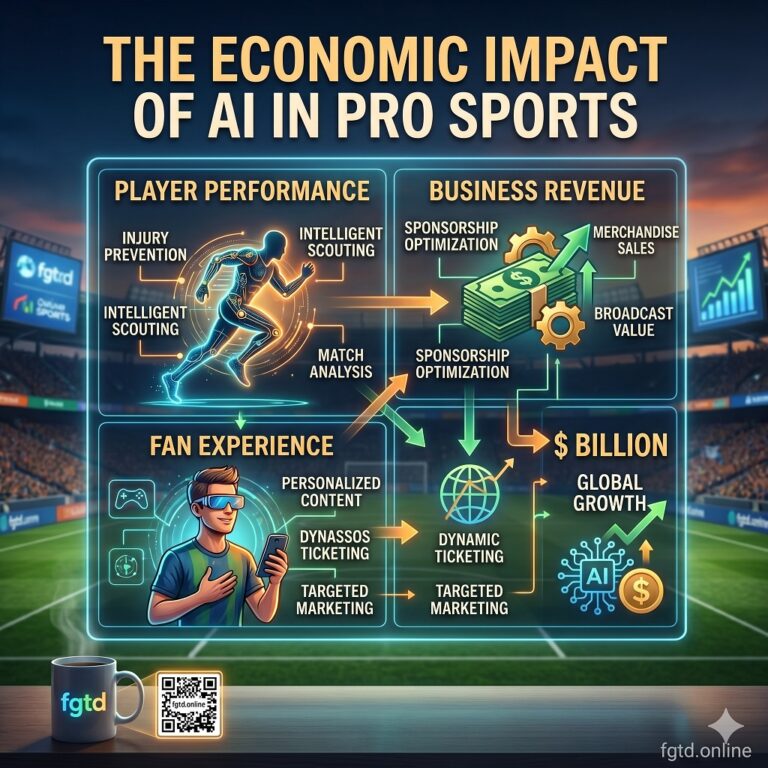
AI officiating will reshape the economics of sports at all levels. Professional leagues will save money on official salaries and travel costs, but smaller organizations might struggle to afford the necessary technology infrastructure.
This could create a two-tiered system where elite levels enjoy AI accuracy while amateur sports continue relying on human officials. Such disparities might affect competitive development and player preparation across different levels of competition.
Read More👉 Rising Stars: The Youngest Players Making Waves in Global Sports
Embracing the Evolution
Sports have always adapted to technological advances, from television coverage to instant replay to performance analytics. AI officiating represents the latest chapter in this ongoing evolution, bringing both opportunities and challenges that the sports community must navigate thoughtfully.
The question isn’t whether AI will replace human officials entirely—it’s how sports will integrate these technologies to create better experiences for athletes, fans, and participants. The most successful approaches will combine AI’s accuracy with human wisdom, preserving the elements that make sports compelling while eliminating the errors that undermine competitive fairness.
As this transformation unfolds, sports organizations must engage stakeholders in meaningful dialogue about what they value most in athletic competition. The choices made today will shape how future generations experience the games they love, making it crucial to get the balance right between technological precision and human authenticity.
The future of sports officiating won’t be purely artificial or entirely human—it will be a carefully calibrated blend that serves the ultimate goal of creating fair, entertaining, and meaningful competition. How well sports navigate this transition will determine whether AI enhancement elevates the games we love or fundamentally changes their character.