Global Sports Leagues Battle for Streaming Turf
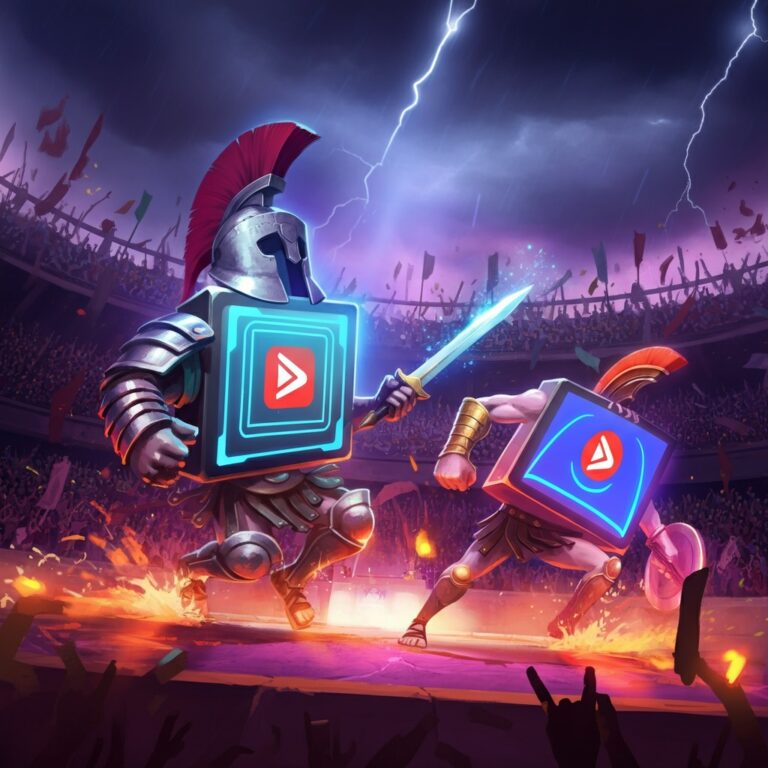
The era of appointment television, where families gathered around a single screen for the big game, is fading into memory. Today, the battle for sports viewership is no longer confined to traditional broadcast channels. Instead, it has erupted into a complex, global skirmish fought across a fragmented landscape of streaming services. Major sports leagues are navigating a high-stakes game of their own, attempting to capture the attention—and subscription dollars—of fans scattered across countless platforms.
From the NFL’s aggressive multi-platform deals to European football’s intricate web of regional streaming rights, the strategy is clear: be everywhere the fans are. This shift is fundamentally reshaping how we consume sports, turning every league into a global media entity and every fan into a potential subscriber. As these titans of sport clash with giants of tech and media, the future of sports broadcasting is being drawn and redrawn, one exclusive deal at a time.
This article will explore the intense competition among global sports leagues for streaming territory. We will examine the strategies being deployed, the key players involved, and what this digital gold rush means for the leagues, the broadcasters, and most importantly, the fans.
Continues after advertising
The Great Unbundling: How We Got Here
For decades, the sports media model was straightforward. Leagues sold exclusive broadcasting rights to a handful of major television networks. These networks, in turn, paid astronomical sums, knowing that live sports were one of the few things that could guarantee a massive, engaged audience. This symbiotic relationship created a stable and incredibly lucrative ecosystem for everyone involved. Fans knew exactly where to find their favorite teams—they just had to turn on the TV.
The rise of the internet and, subsequently, streaming technology, blew this model apart. It started with “cord-cutting,” as consumers, weary of expensive and bloated cable packages, began opting for leaner, on-demand streaming services like Netflix and Hulu. At first, sports were seen as the last bastion of traditional TV, the “must-have” content keeping the cable bundle alive.
However, it was only a matter of time before tech giants with deep pockets and global ambitions entered the fray. Amazon, Apple, Google (via YouTube), and others recognized that live sports could be a powerful driver for their own ecosystems. They began bidding for streaming rights, often carving out exclusive digital packages that ran parallel to or entirely separate from traditional broadcasts. This created what is often called “the great unbundling” of sports media. No longer was everything in one place. Now, to be a dedicated fan of a single team, one might need multiple subscriptions spanning cable, broadcast TV, and several different streaming apps.
The NFL’s Multi-Billion Dollar Streaming Gambit
No league exemplifies the new-media reality better than the National Football League (NFL). As the most dominant media property in the United States, the NFL has leveraged its immense popularity to strike groundbreaking, and often fragmented, deals with a host of partners.
The league’s strategy is a masterclass in maximizing reach and revenue. Instead of siding with one exclusive partner, the NFL has sliced its content pie into several lucrative pieces:
- Amazon’s Thursday Night Football: In a landmark deal, the NFL made Amazon’s Prime Video the exclusive home of Thursday Night Football. This was a clear signal that a major American sports league was willing to move a significant portion of its weekly inventory entirely to a streaming platform, forcing millions of fans to subscribe to Prime to watch.
- YouTube’s NFL Sunday Ticket: For years, DirecTV held the rights to NFL Sunday Ticket, a premium package allowing out-of-market fans to watch any game. In 2023, those rights moved to Google’s YouTube TV in a multi-billion dollar agreement. The move shifted a core product for die-hard fans from satellite TV to a digital-first platform.
- Peacock’s Exclusive Playoff Game: NBCUniversal took things a step further by placing an AFC Wild Card playoff game exclusively on its streaming service, Peacock. The decision to put a high-stakes postseason game behind a streaming paywall was met with fan frustration but proved to be a massive success for NBC, driving a record number of sign-ups.
This “a la carte” approach ensures the NFL has a presence on nearly every major platform, from traditional networks like CBS, FOX, and NBC to digital behemoths like Amazon and Google. While it generates staggering revenue for the league, it also creates a confusing and expensive maze for the average fan to navigate.
Global Football’s Fragmented Kingdom
If the NFL’s model seems complex, the world of international football (soccer) is an entirely different level of intricacy. As the world’s most popular sport, football’s broadcasting rights are sold on a country-by-country basis, creating a patchwork of different providers for the same leagues.
The English Premier League: A Global Puzzle
The English Premier League (EPL) is arguably the most-watched sports league on the planet. Its global appeal means its media rights are a prized possession.
- In the United Kingdom: The rights are split between Sky Sports, TNT Sports (formerly BT Sport), and Amazon Prime Video. To watch every televised match, a UK-based fan needs subscriptions to all three services.
- In the United States: All Premier League matches are controlled by NBCUniversal. Most games are available on its cable channels (like USA Network) or broadcast TV (NBC), but a significant number are exclusively streamed on Peacock. To be a comprehensive follower, an American fan must have both a cable package and a Peacock subscription.
- In Canada: FuboTV holds the exclusive rights, meaning Canadian fans must subscribe to this specific sports-centric streaming service.
- In India: The Star Sports network and its streaming companion, Disney+ Hotstar, carry the games.
This territory-based approach allows the EPL to maximize its revenue from each individual market but creates a wildly inconsistent viewing experience for its global fanbase.
UEFA Champions League: Europe’s Premium Content
The UEFA Champions League, a tournament featuring the top clubs from across Europe, follows a similar pattern. In the U.S., Paramount+ has become the primary destination, streaming every single match. However, in other parts of the world, the rights are held by different entities, from DAZN in Canada to beIN Sports in the Middle East.
This fragmentation highlights a central challenge for global leagues: how to maintain a consistent brand and fan experience when the point of access changes dramatically from one country to the next.
Other Sports Join the Fray
The battle for streaming dominance is not limited to football and American football. Other major sports are also making aggressive plays in the digital space.
- Major League Baseball (MLB): MLB has deals with Apple TV+ for Friday Night Baseball and Peacock for MLB Sunday Leadoff, placing exclusive weekly games on streaming platforms. This is in addition to its own MLB.tv service and the local broadcast rights that govern the majority of games.
- Formula 1: F1’s digital transformation, largely credited to Liberty Media and the success of Netflix’s Drive to Survive series, has been remarkable. While ESPN holds the rights in the U.S. (often streaming races on ESPN+), F1 also has its own direct-to-consumer service, F1 TV Pro, which offers comprehensive coverage in many markets. This hybrid model caters to both casual fans on traditional platforms and dedicated followers willing to pay for a premium, in-house service.
- Indian Premier League (IPL): The IPL, a professional Twenty20 cricket league in India, shattered records with its latest media rights deal. The rights were split between Disney-Star (for television) and Viacom18 (for digital), a partnership backed by billionaire Mukesh Ambani. The digital rights alone commanded over $2.6 billion, demonstrating the immense value placed on streaming access in the massive Indian market.
The Future: Consolidation or Further Fragmentation?
The current landscape raises a crucial question: where are we headed? Will the market consolidate around a few “super-streamers” that bundle sports content, or will it fragment even further?
One potential path is a “re-bundling” in the streaming world. Services like the Disney+/Hulu/ESPN+ bundle are an early example. It’s conceivable that major media companies could partner to offer sports packages that combine rights from multiple leagues. Another possibility is the rise of sports-specific aggregators like DAZN or FuboTV, which aim to be a one-stop-shop for sports fans.
However, the leagues themselves may have other plans. Many are investing heavily in their own direct-to-consumer (DTC) platforms, like NBA League Pass and F1 TV. This strategy allows them to own the customer relationship, control the user experience, and keep all the data and revenue. A future where you subscribe directly to the NFL, the NBA, and the Premier League is entirely possible.
Read More👉 Travel Like an Athlete: Top Cities for Sports Enthusiasts
What This Means for Fans
For the leagues and media companies, this is a period of unprecedented opportunity and revenue. For the fans, the experience is mixed. On one hand, there is more access to more games from more leagues than ever before. A fan of an obscure European football team can now watch every match from their living room in the United States.
On the other hand, the cost and complexity have skyrocketed. Following a single team can require multiple subscriptions, and keeping track of which game is on which platform is a challenge in itself. The simplicity of turning on the TV to find the game is gone, replaced by a digital scavenger hunt. This “fan-unfriendly” model risks alienating casual viewers and frustrating even the most dedicated supporters.
The fight for streaming territory is far from over. As technology evolves and consumer habits change, sports leagues will continue to adapt their strategies. The winners in this game will be those who can strike the right balance between maximizing revenue, expanding global reach, and—most critically—keeping the fans at the heart of the experience.