Esports and the Olympics: Could It Really Happen?
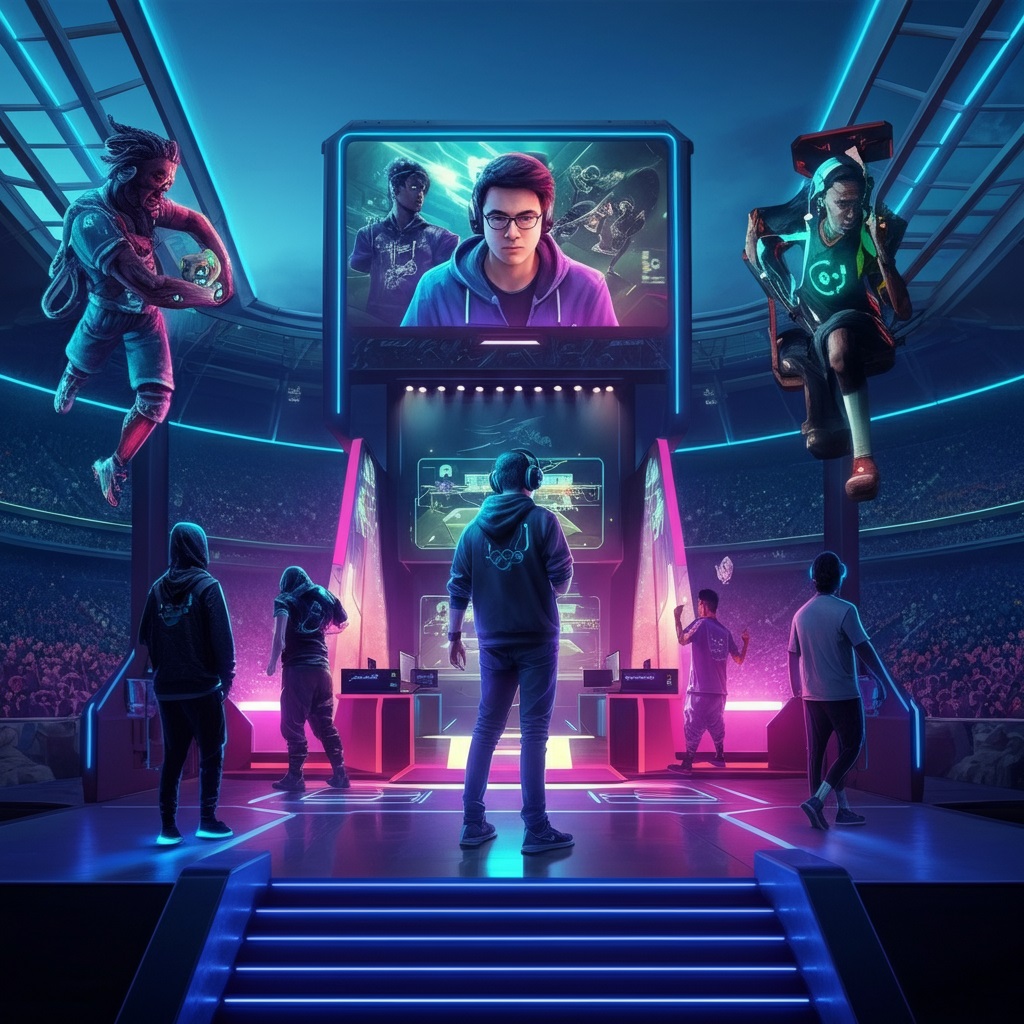
Esports has taken the world by storm, transforming from a niche hobby to a billion-dollar industry in less than two decades. With sold-out arenas, record-breaking livestreams, and an audience that measures in the hundreds of millions, it’s no wonder the conversation about esports being included in the Olympics is gaining traction. But could competitive gaming find itself alongside traditional sports on the world’s biggest stage? And if so, what challenges and opportunities lie ahead?
This post will explore the rapid growth of esports, why it’s being considered for inclusion in the Olympics, the hurdles it must overcome, and what this could mean for the future of sports.
Understanding Esports and Its Unstoppable Growth
Esports, short for electronic sports, refers to organized, competitive gaming. These aren’t your average video game sessions; esports tournaments attract professional teams, massive prize pools, and millions of fans. Games like League of Legends, Dota 2, Counter-Strike Global Offensive, and Fortnite dominate the competitive gaming landscape, each with its own leagues, players, and global fanbases.
Continues after advertising
Why Is Esports Growing?
- Massive viewership: Platforms like Twitch and YouTube Gaming have made it easier than ever to watch live gameplay, with fans tuning in from all corners of the globe. According to Newzoo, esports had an audience of over 500 million people in 2023.
- Accessibility: Unlike traditional sports that require specific physical attributes or years of training, anyone with a gaming console or PC can start playing. This opens up opportunities for people of all ages and abilities.
- Cultural shifts: Gaming is no longer viewed as a fringe or “nerdy” activity; it’s embraced by mainstream culture. Celebrities, brands, and even traditional sports teams are investing in esports.
But can this new-age phenomenon hold its own in a space dominated by century-old traditions at the Olympics?
Why Esports and the Olympics Make Sense
1. Engaging a Younger Audience
One of the International Olympic Committee’s (IOC) biggest concerns in recent years has been the aging audience of the Games. A large portion of Olympic viewers are between 50 and 60 years old, while younger generations are turning to platforms like TikTok or Twitch for their entertainment. Esports offers a golden opportunity to reverse this trend; Gen Z and millennials are heavily invested in gaming culture. Adding esports to the roster could bridge this generational gap, ensuring the Olympics remain relevant.
2. Global Participation
Like traditional sports, esports transcends borders. Popular games like Fortnite and FIFA have professional players and fans from Europe, Asia, the Americas, and beyond. The diversity inherent in esports aligns perfectly with the Olympic spirit of international unity.
3. Physical and Mental-athleticism
The stereotype of gamers as sedentary couch potatoes is long outdated. At the elite level, esports competitors undergo rigorous training to fine-tune their reflexes, strategies, and mental focus. Their commitment mirrors that of Olympic athletes, even if their performance isn’t physical in the traditional sense.
Challenges to Overcome Before Esports Can Join the Olympics
While the inclusion of esports in the Olympics seems promising, it’s far from straightforward. Several hurdles remain that must be addressed for it to truly succeed.
Establishing Universal Standards
Traditional sports have clearly defined rules and governing bodies that oversee their integrity. Esports, on the other hand, is fragmented. Different games are owned by different publishers, leading to a lack of consistency in rule enforcement, player regulations, and anti-doping measures. For esports to be included in the Olympics, a unified governing body would need to emerge.
Selecting the Right Games
One of the trickiest aspects of including esports in the Olympics is deciding which games to feature. Many popular esports titles, such as Call of Duty or Counter-Strike, are centered around themes of violence, which could conflict with the Olympic values of peace and unity. Finding “neutral” games that emphasize competition without controversy will be a critical consideration.
Overcoming Stigma
Despite its growth, esports continues to face skepticism from traditionalists who question whether it should be classified as a sport. Critics argue that esports lacks physical activity, a hallmark of Olympic competition. Bridging this cultural divide and reframing how people perceive gaming will take time and education.
Network Infrastructure and Fairness
Esports relies heavily on stable internet connections, which could present challenges for hosting competitions in certain regions. Ensuring all players have access to equal conditions will be essential to maintain fairness.
What Could an Olympic Esports Event Look Like?
If esports were included in the Olympics, it would likely take on a unique format to align with the event’s values. Here’s what we might expect:
- Game Selection: Neutral, family-friendly games like Rocket League or FIFA could dominate the lineup over violent first-person shooters.
- Gender Equality: Unlike traditional sports, esports has no inherent physical barriers for men and women to compete together. This could set a precedent for gender-inclusive events.
- Innovative Broadcasting: Esports events are designed for digital audiences, which could lead to new ways of engaging with Olympic content, such as augmented reality views or interactive livestreams.
The Road Ahead for Esports in the Olympics
The inclusion of esports in the Olympics is inching closer to reality. The IOC has already taken steps to engage with the gaming community, including hosting the Olympic Virtual Series in 2021, which featured esports-like competitions in cycling, rowing, and racing. While esports wasn’t an official category in the Games, it marked a significant step forward.
As esports continues to grow and mature, it seems inevitable that it will one day become an integral part of the Olympic experience. Whether that’s in five years or fifty, one thing is clear: esports has crossed the threshold from niche pastime to cultural powerhouse.
Read More👉 The Global Badminton Stars to Watch in 2025
Looking Forward to the Future of Sports
The potential inclusion of esports in the Olympics signals a shift in how we define and celebrate athleticism. By blending the virtual and physical worlds, the Games could usher in a new era of inclusivity, technology, and global unity.
If you’re an esports enthusiast or simply curious about the industry’s evolution, join the conversation. What games or formats do you think would thrive on the Olympic stage? Comment below with your suggestions—we’d love to hear your thoughts.