The Athlete Creator Economy Hits $1 Billion
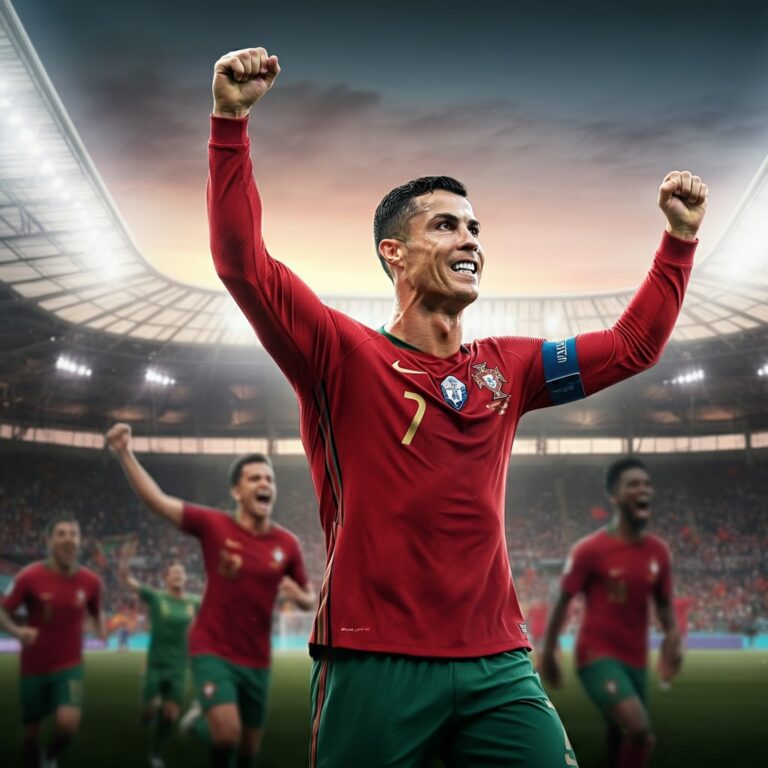
Professional athletes have transformed from weekend warriors into digital entrepreneurs, building personal brands that rival Fortune 500 companies. What started as simple endorsement deals has evolved into a sophisticated ecosystem where athletes leverage social media platforms, personal ventures, and direct fan engagement to generate unprecedented revenue streams.
The athlete creator economy has officially crossed the $1 billion threshold, marking a seismic shift in how sports personalities monetize their influence beyond traditional contracts and sponsorships. This milestone represents more than just impressive numbers—it signals a fundamental change in the relationship between athletes, fans, and the broader entertainment industry.
Athletes today operate as multifaceted content creators, business owners, and brand ambassadors simultaneously. They’re no longer dependent solely on team salaries or traditional endorsement deals. Instead, they’ve built direct channels to their audiences, creating sustainable income sources that often outlast their playing careers.
Continues after advertising
This transformation has democratized sports marketing, allowing athletes across all levels and sports to participate in the creator economy. From TikTok challenges to YouTube documentaries, athletes are finding innovative ways to showcase their personalities, skills, and stories directly to fans worldwide.
The Digital Revolution in Sports Marketing
Social media platforms have become the primary battleground for athlete attention. Instagram, TikTok, YouTube, and Twitter serve as virtual stadiums where athletes perform daily for millions of followers. These platforms have eliminated traditional gatekeepers, allowing direct communication between sports stars and their audiences.
The shift represents a fundamental change in power dynamics. Previously, athletes relied heavily on sports media, agents, and team management to control their narratives. Now, they can share behind-the-scenes content, personal stories, and real-time reactions without intermediaries.
Platform algorithms favor authentic, engaging content over polished advertisements. Athletes who master this balance between genuine personality and strategic branding often see exponential growth in their follower counts and engagement rates. This organic reach translates directly into commercial opportunities and revenue generation.
The most successful athlete creators understand that consistency and authenticity drive long-term success. They treat content creation as seriously as their athletic training, developing posting schedules, content themes, and engagement strategies that keep audiences invested in their journeys both on and off the field.
Revenue Streams Powering the Billion-Dollar Economy
Direct Monetization Through Content
Athletes are generating substantial income through platform-native monetization features. YouTube ad revenue, Instagram Reels bonuses, and TikTok Creator Fund payments provide consistent income streams independent of athletic performance. Many athletes report earning six-figure sums annually from platform payments alone.
Subscription-based content has emerged as particularly lucrative. Platforms like OnlyFans, Patreon, and athlete-specific services allow fans to pay for exclusive content, training tips, and personal interactions. This model creates recurring revenue that remains stable regardless of season schedules or injuries.
Live streaming has opened new revenue channels through virtual tips, sponsored streams, and real-time fan engagement. Athletes broadcast everything from workout sessions to gaming streams, creating multiple weekly touchpoints with their audiences.
Brand Partnerships and Influencer Marketing
Traditional sponsorship deals have evolved into comprehensive influencer partnerships. Brands now seek athletes who can create authentic content around products rather than simply wearing logos during games. These collaborations often include performance bonuses based on engagement metrics and conversion rates.
Micro-influencer partnerships have become increasingly valuable. Athletes with smaller but highly engaged audiences often command higher per-follower rates than mega-celebrities. Brands appreciate the authentic connections these athletes maintain with their communities.
Long-term brand ambassadorships now include content creation requirements, social media obligations, and cross-platform promotion strategies. Athletes negotiate these deals with the same intensity as sports contracts, recognizing their potential for long-term financial security.
Personal Brand Ventures
Many athletes have launched successful product lines, leveraging their social media presence to drive sales directly to consumers. From fitness equipment to nutrition products, athletes can test market demand through their social channels before investing in large-scale production.
Digital products represent particularly high-margin opportunities. Training programs, nutrition guides, and motivational content can be created once and sold repeatedly. Many athletes report higher profit margins from digital products than traditional endorsement deals.
Subscription services and membership sites allow athletes to monetize their expertise continuously. Fans pay monthly fees for workout routines, nutrition advice, and exclusive content, creating predictable revenue streams that support long-term financial planning.
Platform-Specific Strategies Driving Success
Instagram: The Visual Storytelling Hub
Instagram remains the dominant platform for athlete brand building. Stories, Reels, and IGTV allow athletes to showcase different aspects of their lives and careers. The platform’s shopping features enable direct product sales, while Instagram Live creates opportunities for real-time fan engagement.
Athletes use Instagram to build aspirational lifestyles that fans want to emulate. High-quality photos from training sessions, exotic vacations, and luxury purchases create desire and engagement. This aspirational content often leads to higher-value brand partnerships and increased follower loyalty.
The platform’s algorithm rewards consistent posting and genuine engagement. Athletes who respond to comments, share user-generated content, and maintain active Story highlights tend to achieve better organic reach and stronger community connections.
TikTok: Viral Content and Younger Demographics
TikTok has become essential for reaching younger audiences and creating viral moments. Athletes who master trending challenges, participate in popular audio clips, and collaborate with other creators often see explosive follower growth.
The platform rewards creativity and authenticity over production value. Athletes can create engaging content with minimal equipment, focusing on personality and humor rather than expensive production. This accessibility has democratized content creation across all levels of athletic achievement.
TikTok’s algorithm can propel athletes to global recognition overnight. Viral videos lead to media appearances, brand partnerships, and opportunities that extend far beyond the original platform.
YouTube: Long-Form Content and Deeper Engagement
YouTube serves as the premier platform for longer-form content and storytelling. Athletes create documentary-style videos, training series, and behind-the-scenes content that builds deeper connections with audiences.
The platform’s monetization options include ad revenue, channel memberships, Super Chat donations, and merchandise shelves. These multiple revenue streams make YouTube particularly attractive for athletes seeking sustainable income sources.
YouTube content often has longer shelf lives than posts on other platforms. Training videos, motivational content, and career retrospectives continue generating views and revenue for years after publication.
The Role of Authenticity in Athlete Branding
Successful athlete creators understand that authenticity drives long-term success more than polished marketing campaigns. Fans connect with genuine personalities, vulnerability, and real-life struggles alongside professional achievements. Athletes who share failure alongside success often build stronger, more loyal communities.
Transparency about mental health, financial struggles, and career challenges resonates particularly well with younger audiences. This openness creates deeper emotional connections that translate into stronger commercial relationships and higher engagement rates.
The most successful athlete creators maintain consistent personalities across all platforms while adapting their content style to each platform’s unique culture and audience expectations. This balance requires sophisticated understanding of platform dynamics and audience psychology.
Athletes must navigate the balance between personal privacy and public engagement carefully. Sharing too little can seem disconnected, while oversharing can lead to controversy or audience fatigue. The most successful creators establish clear boundaries while maintaining authentic connections.
Technology and Tools Enabling Creator Success
Content Creation and Management Tools
Professional athletes increasingly invest in content creation tools and teams. High-quality cameras, editing software, and graphic design tools have become essential business investments. Many athletes employ dedicated social media managers, videographers, and content strategists.
Scheduling and analytics tools help athletes maintain consistent posting schedules across multiple platforms. These tools provide crucial data about optimal posting times, content performance, and audience demographics that inform strategic decisions.
Automation tools handle routine tasks like comment moderation and DM responses, allowing athletes to focus on high-value content creation and genuine fan interactions.
Analytics and Performance Measurement
Data-driven decision making has become crucial for maximizing creator economy success. Athletes track engagement rates, audience growth, content performance, and revenue generation across all platforms to optimize their strategies.
Advanced analytics tools provide insights into audience demographics, interests, and behaviors. This data helps athletes create more targeted content and attract higher-value brand partnerships.
Performance metrics now influence contract negotiations, endorsement deals, and appearance fees. Athletes with strong social media metrics often command higher compensation across all their professional activities.
Challenges and Opportunities in the Athlete Creator Space
Platform Dependency and Algorithm Changes
Athletes face risks from platform policy changes, algorithm updates, and potential account suspensions. Diversification across multiple platforms and owned media channels has become essential for long-term security.
Platform monetization policies can change rapidly, affecting revenue streams without warning. Successful athlete creators develop multiple income sources to reduce dependency on any single platform or revenue stream.
Building email lists and owned audience channels helps athletes maintain direct communication with fans regardless of social media platform changes.
Content Fatigue and Burnout
Maintaining consistent content creation alongside demanding training schedules creates significant pressure. Many athletes report fatigue from constant content demands and the pressure to share personal moments publicly.
Balancing authentic sharing with privacy protection requires careful boundary management. Athletes must decide what aspects of their lives to share while maintaining personal relationships and mental health.
Professional support teams, including mental health professionals and content strategists, have become essential for managing the psychological demands of constant public engagement.
Regulatory and Compliance Issues
Athletes must navigate complex regulations regarding endorsements, gambling promotions, and financial disclosures. Different sports leagues have varying policies about social media use and commercial activities.
International athletes face additional complications from different national regulations and cultural expectations around social media behavior and commercial activities.
Legal support has become essential for contract negotiations, brand partnerships, and intellectual property protection in the creator economy.
The Future of Athletic Creator Economy
Emerging Technologies and Platforms
Virtual and augmented reality technologies promise new immersive content opportunities. Athletes could offer virtual training sessions, exclusive behind-the-scenes experiences, and interactive fan engagements that command premium pricing.
NFTs and blockchain technologies create new ways to monetize exclusive content, memorabilia, and fan interactions. Early adopters in this space have generated significant revenue from digital collectibles and exclusive access tokens.
Artificial intelligence tools for content creation, audience analysis, and engagement optimization will likely become standard tools for successful athlete creators.
Expanding Global Reach
International markets present enormous growth opportunities for athlete creators. Platforms and content strategies that transcend language and cultural barriers will unlock new audience segments and revenue opportunities.
Localization strategies help athletes connect with global audiences while maintaining their core brand identity. This includes platform selection, content adaptation, and cultural sensitivity considerations.
Cross-cultural collaborations between athletes from different countries and sports create opportunities for audience expansion and unique content creation.
Integration with Traditional Sports Media
The line between traditional sports media and creator content continues to blur. Athletes increasingly negotiate content creation rights and social media clauses into their professional contracts.
Media companies are partnering with athlete creators to produce content that leverages both traditional production resources and personal brand authenticity.
Broadcasting deals now include social media components, recognizing the value of athlete-generated content for audience engagement and retention.
Read More👉 Why Certain Countries Dominate Specific Sports
Building Sustainable Creator Careers
The most successful athlete creators think beyond their playing careers, building brands and businesses that will generate income long after retirement. This long-term thinking influences content strategy, partnership selection, and skill development priorities.
Education and skill development in business, marketing, and content creation have become as important as athletic training for career longevity. Many athletes invest in formal business education and professional development courses.
Legacy planning includes intellectual property management, brand transition strategies, and succession planning for personal brands and businesses built during active playing careers.
Team building and delegation become crucial as creator businesses grow. Athletes who successfully transition from solo creators to business owners often achieve the highest long-term success and financial security.
The $1 billion milestone represents just the beginning of the athlete creator economy’s potential. As technology evolves, global connectivity increases, and new monetization opportunities emerge, this figure will likely seem modest compared to future achievements. Athletes who embrace this evolution and invest in their creator capabilities today position themselves for unprecedented success both during and after their competitive careers.