Stadium Naming Rights: Inside Multi-Billion Brand Deals
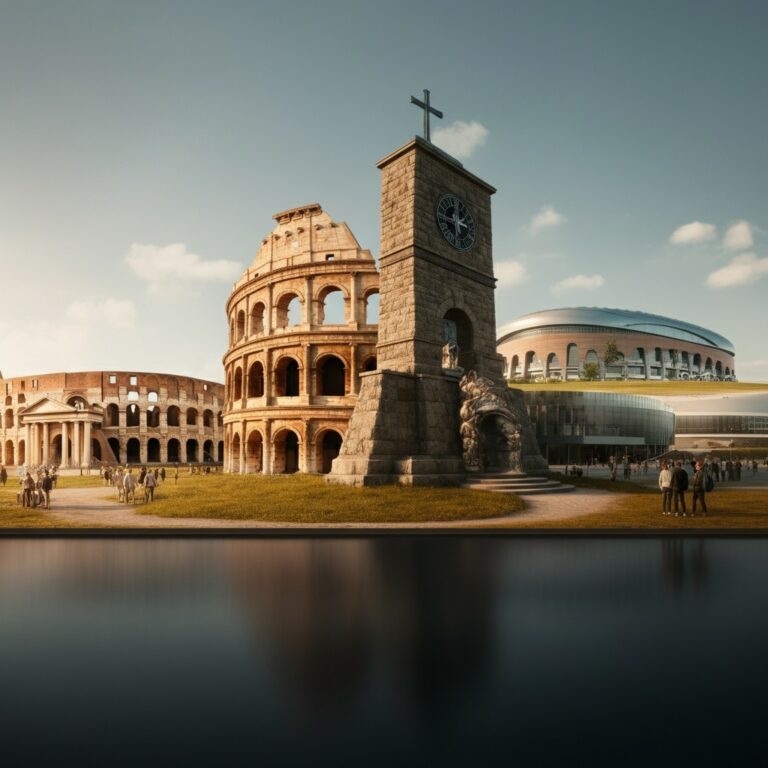
Global sports entertainment has evolved into an extraordinary commercial powerhouse, transforming regional stadiums into world-renowned cultural landmarks. Across modern professional sports leagues, constructing cutting-edge arenas requires massive capital commitments that strain municipal and franchise budgets. Securing multi-decade stadium naming rights transactions injects essential funding, turning physical architecture into high-profile corporate branding engines for blue-chip global conglomerates.
Historically, iconic sports arenas carried regional names, municipal identifiers, or memorials honoring local civic leaders and team founders. Today, skyrocketing venue construction expenditures and expanding global broadcast footprints make unbranded athletic venues financially unsustainable. Multi-billion-dollar enterprise brands actively pursue long-term venue title rights to anchor their corporate visibility within premier athletic and entertainment ecosystems.
The Macroeconomics of Modern Venue Partnerships
The cost of designing, entitling, and building modern sports and entertainment complexes has escalated significantly. Venues like SoFi Stadium in Los Angeles, Allegiant Stadium in Las Vegas, MetLife Stadium in New Jersey, and Tottenham Hotspur Stadium in London represent capital investments ranging from one to over five billion dollars.
Continues after advertising
For franchise owners and stadium authorities, debt servicing and construction bonds represent heavy liabilities. Selling stadium title rights has become the central pillar of modern sports real estate project financing. Rather than relying solely on ticket gates, parking fees, and broadcast revenue distributions, organizations monetize the building’s exterior facade, interior concourses, digital signage, and ticketing systems.
For corporate sponsors, the commercial incentive is clear: continuous, unskippable global media impressions across television broadcasts, streaming networks, video games, municipal signage, public transit maps, and digital sports media ecosystems.
Anatomy of Record-Setting Naming Rights Transactions
Modern stadium naming rights transactions have expanded into long-term commercial ecosystems extending over ten, twenty, or thirty years:
1. Crypto.com Arena (Los Angeles, California)
In one of the most prominent naming rights transactions in sports history, Singapore-based cryptocurrency platform Crypto.com agreed to a 20-year, approximately $700 million deal with Anschutz Entertainment Group (AEG) in late 2021 to rename the former Staples Center. The transaction secured naming rights to a downtown venue hosting over four million visitors annually across NBA, NHL, and major entertainment events.
2. SoFi Stadium (Inglewood, California)
Fintech lender SoFi committed an estimated $600 million over a 20-year term to secure title naming rights to the sports and entertainment complex housing the NFL’s Los Angeles Rams and Chargers. The agreement positioned SoFi’s digital banking platform at the center of high-visibility global broadcasts, including Super Bowls, College Football National Championships, and international concerts.
3. Spotify Camp Nou (Barcelona, Spain)
European football has traditionally maintained deep resistance to commercializing historic cathedral grounds. However, facing balance-sheet debt and financial restructuring mandates, FC Barcelona executed a historic multi-year, multi-hundred-million-euro naming and jersey partnership with music streaming leader Spotify. The agreement marked the first time the storied Camp Nou formally incorporated a corporate title sponsor.
Structural Comparison: Traditional Sponsorships vs. Modern Naming Rights
Evaluating the operational, legal, and commercial differences between standard field-level sponsorships and comprehensive venue naming rights illustrates the strategic value of title agreements:
Brand Integration and Mindshare Capture
- Traditional Sponsorship: Fragmented; rotational LED perimeter board advertisements and concourse banner signage compete alongside dozens of competing brands.
- Modern Naming Rights: Total dominance; the corporate title integrates into the official venue name, architectural signage, GPS mapping services, airline tickets, and news broadcasts.
Inventory Scope and Digital Activation
- Traditional Sponsorship: Static; restricted to localized in-game marketing, hospitality passes, and minor print program logos.
- Modern Naming Rights: Multi-dimensional ecosystem; encompasses exclusive banking, technology, telecommunication, or retail checkout exclusivity throughout the venue.
Long-Term Value and Media Multipliers
- Traditional Sponsorship: Short lifecycle; typically negotiated across one to three seasons with variable performance yields.
- Modern Naming Rights: Compounding returns; multi-decade agreements survive team performance slumps, generating earned media value whenever major concerts, playoff runs, or global tournaments take place.
Capital Allocation Impact
- Traditional Sponsorship: Operating budget subsidy; contributes directly to seasonal cash flow or player payroll.
- Modern Naming Rights: Strategic capital asset; securitized to service long-term stadium construction debt, private bond packages, and facility modernization programs.
Technical Inventory: What Sponsors Actually Buy
A modern multi-hundred-million-dollar naming rights contract extends far beyond fixing a physical logo onto a stadium roof. These agreements are engineered corporate partnerships that incorporate extensive proprietary rights:
- Primary Architectural Identity: Monumental exterior illuminated signage, visible from major regional highways and aerial television blimp perspectives.
- Turnkey Product Integration: Financial institutions incorporate their credit card terminals and ATMs; telecommunications providers install high-density 5G distributed antenna systems (DAS); software providers integrate custom mobile ticketing apps and automated concessions.
- Corporate Hospitality Real Estate: Exclusive access to premier owner-level suites, field clubs, and private luxury lounges to entertain institutional clients, executive partners, and high-value commercial accounts.
- Digital and Broadcast Clutter-Free Zones: Contractual exclusivity clauses that prevent direct industry competitors from purchasing competing in-bowl LED advertising or sponsoring individual gate entrances.
Managing Brand Volatility and Venue Legacy
Despite immense commercial upside, long-term naming rights agreements carry specific structural risks that require careful contractual protections:
- Corporate Insolvency Risk: History features notable corporate failures among title sponsors, such as Enron Field in Houston, CMGI Field in Foxborough, or rapid turnover in cryptocurrency venue deals. Modern contracts incorporate strict clawback provisions, accelerated default clauses, and corporate solvency covenants allowing clubs to swiftly remove signage without legal gridlock.
- Fan Base and Tradition Friction: Passionate fan communities frequently reject sudden corporate names applied to historic grounds. Effective corporate partners overcome resistance by investing heavily into fan-facing venue improvements, subsidizing tickets, and respecting historic club identity.
- Performance Downturn Insulation: Even if the home sports franchise experiences losing seasons or rebuild cycles, major modern stadiums host year-round stadium concerts, international soccer matches, and conventions, insulating sponsor return on investment from on-field performance fluctuations.
Read More👉 Thoroughbred Syndicates: High-Stakes Racehorse Investing
Conclusion: The Anchor of Sports Business Infrastructure
Stadium naming rights represent the pinnacle of commercial sports partnerships. As construction costs for multi-purpose entertainment districts continue to rise, relying exclusively on conventional ticketing and broadcast fees is no longer sufficient to fund premier sports real estate.
By uniting global enterprise capital with world-class sports architecture, stadium naming rights provide the long-term liquidity required to construct and sustain state-of-the-art entertainment venues.
As global media consumption expands across streaming platforms and international tournaments reach broader audiences, corporate appetite for premier venue integration will only accelerate—permanently establishing Stadium Naming Rights: Inside Multi-Billion Brand Deals as a foundational pillar of modern sports and entertainment finance.