The Live Sports Streaming Wars: Who Will Come Out on Top?
The race to dominate live sports streaming is heating up. With major players entering the arena, billions of dollars in broadcast rights are on the line, and fans around the world are eagerly watching more than just the games. This high-stakes competition is revolutionizing how we consume sports and reshaping the industry before our very eyes.
Whether you’re a die-hard fan, a casual viewer, or someone following the business aspects of the streaming world, this blog digs deep into the live sports streaming wars. We’ll explore the key players, industry challenges, and what it all means for fans and the future of sports.
The Players in the Live Sports Streaming Arena
Big Tech Makes a Big Play
Tech giants have quickly turned their eyes toward live sports streaming as they expand their domains of influence. Take Amazon, for example. The company’s Prime Video now broadcasts exclusive Thursday Night Football games for the NFL. Amazon has also acquired rights to soccer leagues like the English Premier League in select markets. The company’s seamless integration of sports into its existing ecosystem of products and services not only enhances the Prime membership offering but also sets a gold standard for competitors to beat.
Continues after advertising
Meanwhile, Apple is making calculated moves with Major League Baseball and MLS (Major League Soccer) streaming deals, positioning itself as an upscale disruptor. The accessibility of sports through Apple TV+, paired with the company’s emphasis on quality streaming experiences, demonstrates their intent to go head-to-head with more established networks.
Legacy Networks Join the Digital Revolution
Broadcasters like ESPN, NBC Sports, and Fox Sports are adapting the new digital-first mindset. ESPN+ is now a household name for fans who want access to lower-tier leagues, niche sports, and exclusive original content that can’t be found on traditional linear TV. NBC’s Peacock is another example of a legacy broadcaster reimagining its sports platform.
Additionally, Disney’s ownership of ESPN creates a unique opportunity to bundle sports offerings with entertainment through platforms like Hulu and Disney+. By doing so, these legacy companies are making strong bids to retain relevancy.
The Streaming Pioneers
Before Amazon and Apple entered, Netflix had already built the blueprint for streaming, even without live sports offerings. While Netflix has largely avoided sports rights so far, its model pushed others to consider sports as a unique draw to increase subscribers.
Streaming-focused platforms like DAZN and FuboTV, however, are putting all their eggs in the sports streaming basket. DAZN has tackled global emerging markets with its boxing offerings and partnerships with European soccer leagues. On the other hand, FuboTV offers both sports-heavy content packages and betting features in the U.S.
These platforms aim to stick out by doubling down on live sports as the backbone of their business model. However, their long-term viability depends heavily on the decisions of larger competitors with deeper pockets.
The Challenges Facing Live Sports Streaming
The Cost of Owning the Game
One of the biggest barriers to entry in the sports streaming wars is the staggering cost of acquiring broadcast rights. Top-tier leagues like the NFL, NBA, or the English Premier League sell their rights for billions of dollars. For newer market entrants, this upfront investment can be difficult to justify without robust subscription bases to guarantee a return.
This financial juggernaut puts tech companies like Apple and Amazon at an advantage thanks to their deep pockets. However, many experts worry about the potential consequences for smaller or more niche sports leagues that may get priced out of access to consumers altogether.
The Latency Issue
A perfect live streaming experience is critical to viewer engagement, and latency remains a key obstacle. Latency occurs when there’s a delay between the live action seen on the field and what a user watches on their screen. Regardless of advancing technologies, impatient fans often voice frustration when a goal appears in social media updates before it streams on their screens.
Platforms have been hard at work developing infrastructure to minimize latency, but solving this will be a major deciding factor in the streaming wars.
Navigating Fragmentation
For fans, one of the most frustrating impacts of the streaming wars has been the fragmentation of sports offerings across multiple platforms. A soccer fan who wants to follow their favorite team might need subscriptions to Amazon for EPL games, Peacock for Champions League, and Paramount+ for domestic leagues.
The additional costs and complexity for users could eventually lead to pushback, as audiences demand simpler and more unified viewing options. Platforms that integrate partnerships, bundles, or cohesive strategies may hold a competitive edge in addressing customer fatigue.
What It Means for Sports Fans
The live sports streaming wars have undeniable benefits for fans, one of the major ones being innovation. Increased competition has incentivized platforms to improve features like multi-angle views, real-time stats, and interactive experiences. Some services are even exploring partnerships with sportsbooks to offer integrated live betting as part of the action.
However, fans must also grapple with downsides like higher costs, platform bloat, and less predictability around where they can find their favorite leagues or events. Who can simplify access to all these options while keeping costs reasonable will likely stand out as a winner with audiences.
The Future of the Live Sports Streaming Wars
The live sports streaming competition shows no signs of slowing down. Already, we can see trends emerging which could define the industry’s future:
- Subscriptions + Ad Models: Many platforms are testing blended revenue models, incorporating both ad-supported plans and higher-tier ad-free subscriptions.
- Global Expansion: Companies are targeting global markets. Sports that have massive international appeal, like soccer or cricket, remain prime drivers of international growth.
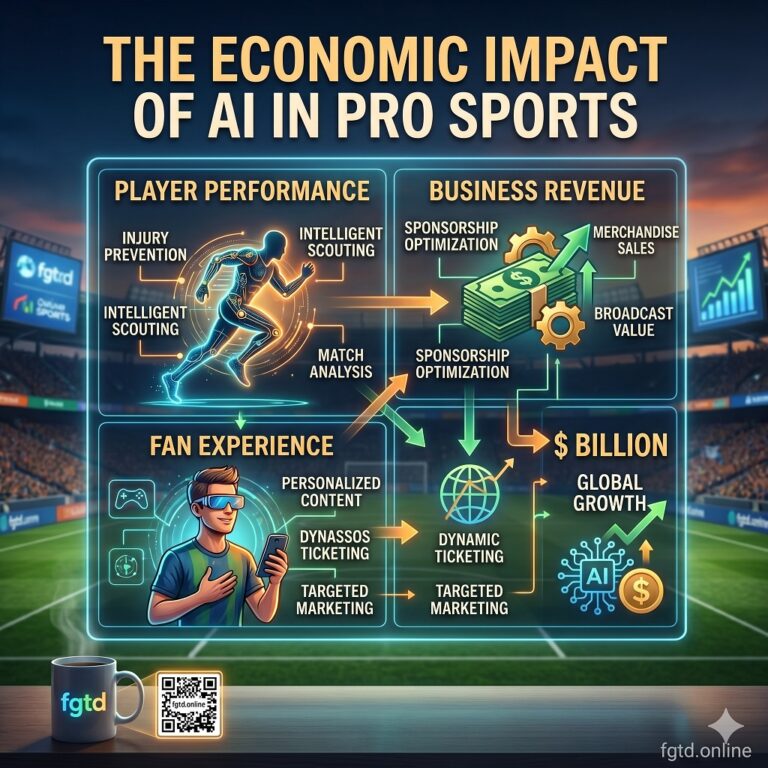
- Technology Integration: Beyond just streaming games, companies are using AI and data analytics to upgrade the gameday experience—from personalized match suggestions to real-time player insights.
Read More👉 Sports Tattoos and Their Stories: Meaning, Identity, Legacy
Don’t Miss a Beat
One thing is for certain: fans should buckle up because the live sports streaming wars are transforming how, where, and when we engage with sports. Whether it’s a Silicon Valley giant or a grassroots platform, these companies are shaping a new era.
For the latest updates on these battles and to ensure you catch every critical play (both on and off the field), follow our blog for more insider insights into the sports streaming revolution.