How Game Developers Are Partnering with Real-Life Athletes
Video games and sports may seem like two different worlds, but the lines between them are blurring more than ever. Game developers are teaming up with real-life athletes to push the boundaries of both gaming and sports entertainment. This collaboration has resulted in more realistic sports games, player-centered experiences, and a growing esports industry that mirrors traditional sports.
This blog dives deep into how these partnerships are transforming gaming and sports alike, why they work so well, and what this means for fans, players, and developers moving forward.
Real-Life Athletes in Sports Video Games
One of the most obvious ways athletes and game developers collaborate is through sports video games. Leading franchises like FIFA, Madden NFL, NBA 2K, and MLB The Show have long included licensed rosters featuring the names, likeness, and skills of professional players.
Continues after advertising
Athlete Likenesses and Motion Capture
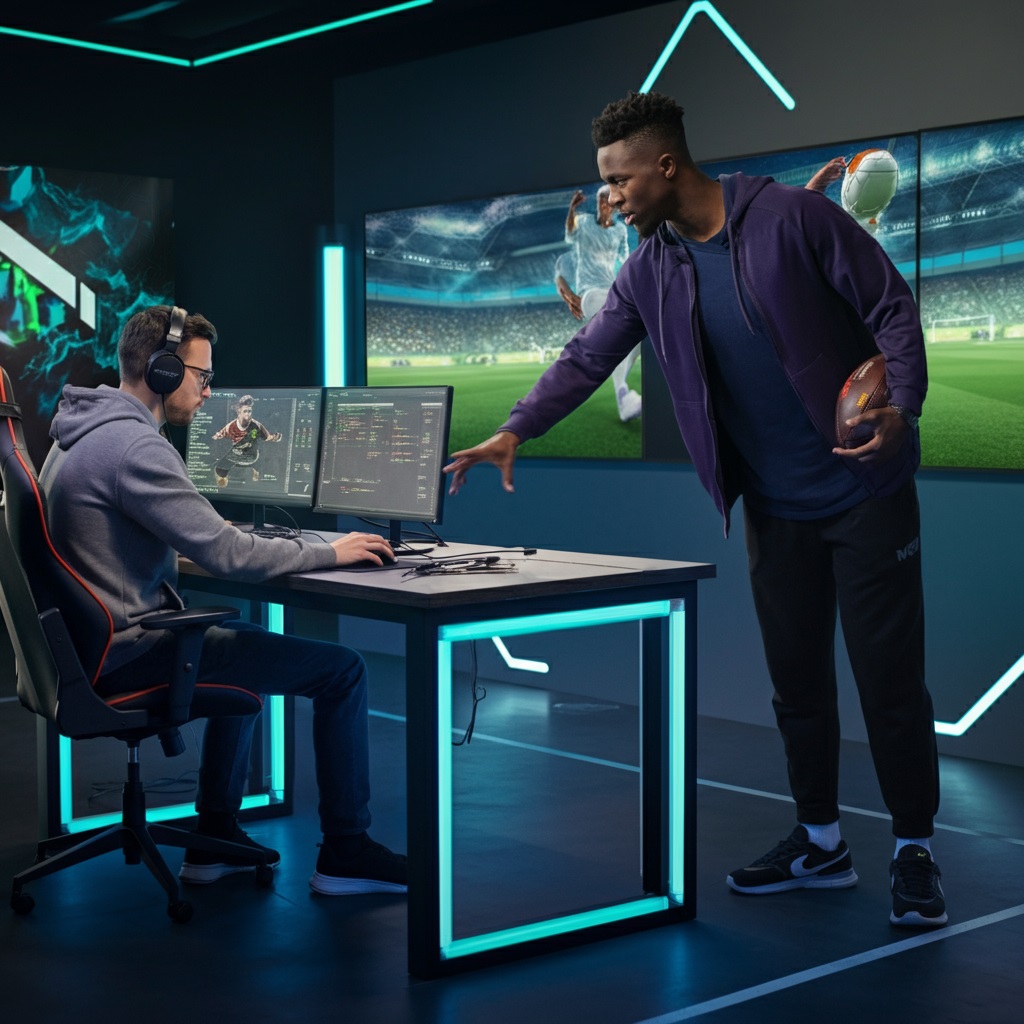
Athletes lend not only their names but also their movements to games. Through motion capture technology, developers record the exact movements of athletes to replicate them in-game. From the way LeBron James dunks a basketball to Patrick Mahomes’ throwing motion, these details make the player models ultra-realistic.
By highlighting individuality, such as Serena Williams’ signature serve or Cristiano Ronaldo’s free-kick stance, these games create a more immersive fan experience. Players can feel like they’re controlling their idols, and that connection is a significant driver of the success of sports games.
Story Modes Featuring Athletes
Beyond just gameplay, developers are increasingly creating story-driven experiences featuring athletes. Games like NBA 2K not only include players on the roster but also feature them in narrative-driven campaigns. For instance, athletes sometimes appear as mentors, coaches, or rivals within these modes, blurring the lines between the digital and physical sports worlds.
Such storylines add depth to the gaming experience, helping fans connect with their favorite athletes on a personal level by showing a more humanized side to their careers.
Expanding Sports Through Esports Partnerships
Esports is another area where athletes and developers collaborate. Competitive gaming has exploded in popularity over the last decade, with games like FIFA, NBA 2K, and even titles like Rocket League forming thriving competitive leagues. Real-world athletes are taking notice, and many are jumping into this space as participants, team owners, and ambassadors.
Athletes Becoming Esports Owners and Investors
Some athletes recognize the potential of esports as a mega-industry. Athletes like Michael Jordan and Serena Williams have invested in esports organizations, helping to legitimize gaming in the eyes of mainstream sports fans and sponsors.
By aligning themselves with big esports brands, athletes bring their celebrity power to these platforms, creating a deeper connection between sports and esports fans. For example, NBA star Kevin Durant’s involvement with Andbox (owners of an Call of Duty team) demonstrates how athlete backing draws attention and capital into the esports world.
Crossover Events Between Sports and Esports
Some developers have partnered with athletes on crossover events that bring the two worlds together. For example, EA Sports’ FIFA games hold tournaments featuring real-life soccer players alongside esports pros. Similarly, NBA players have participated in nationally broadcast NBA 2K games during off-seasons or breaks, giving fans a new way to engage with their favorite stars.
This kind of collaboration keeps fans engaged while emphasizing the increasing connection between traditional and digital sports.
Athlete-Branded Games and Content
Athletes aren’t just collaborators in games anymore; they are the stars of their own branded games or digital content. These partnerships have allowed athletes to showcase their stories and personalities in new ways.
Athlete-Specific Video Games
Some athletes have had games created specifically to highlight their careers. A standout example is Tony Hawk’s Pro Skater series, which brought skateboarding culture to the masses through a series of wildly successful video games. Tony Hawk himself worked closely with developers to ensure the gameplay and tricks felt authentic, a key factor in the franchise’s critical and commercial success.
While athlete-focused games are less common in mainstream sports, games like UFC 4 still spotlight individual fighters’ stories and personalities.
Athlete-Driven Content in Updates or DLC
Some partnerships involve bringing athlete-specific content to existing games. Downloadable content (DLC) or updates can include skins, emotes, or special features centered around a particular player. For instance, Fortnite has added iconic basketball player LeBron James as a playable character, complete with outfits and items inspired by his career and style.
These collaborations bring athletes into non-sports games, exposing them to an entirely different gaming audience. This cross-pollination of audiences benefits both the athletes and developers by broadening their fanbases.
The Mutual Benefits of Athlete-Developer Partnerships
The rise of athlete-developer partnerships shows no sign of slowing down. Why? Because these collaborations bring value to everyone involved.
Why Athletes Love It
- Engaging fans: Athletes can connect with their audience in new and exciting ways.
- Expanding reach: By appearing in games, athletes can reach a global fanbase, including people who may not usually follow their sport.
- Revenue streams: These partnerships provide an additional income source through royalties, endorsements, and licensing deals.
Why Developers Benefit
- Realism and authenticity: Athletes’ involvement adds credibility and helps establish games as accurate portrayals of their sports.
- Marketing power: Partnering with athletes creates marketing opportunities and can attract players who follow those stars.
- Expanded audience: Athletes bring their fanbases into the gaming world, helping games reach a broader market.
The Future of Athlete Partnerships in Gaming
The future of gaming will likely involve even more integration with real-life athletes. Expect to see deeper levels of immersion using technologies such as augmented and virtual reality, allowing fans to train “alongside” their favorite players. Additionally, with the expansion of the metaverse, athletes might one day hold in-game meet-and-greets or virtual press conferences.
Advancements in AI could also enable greater personalization as athletes help developers create in-game experiences tailored specifically toward individual gaming styles.
Read More👉 How Sports Are Shaping Streetwear and Fashion Trends
Take the Game to the Next Level
Athlete-developer partnerships are redefining the boundaries of gaming and sports entertainment, enabling players to experience unprecedented levels of realism and connection with their heroes.
For developers, this collaboration provides realism, credibility, and access to untapped markets. For athletes, it’s a chance to engage with their fans in meaningful ways while expanding their reach beyond the traditional sports arena.
Sports and gaming lovers alike can expect this trend to evolve even further in the coming years. These partnerships are more than just a match made in heaven; they’re the future of entertainment.