How Sports Are Shaping Streetwear and Fashion Trends
Streetwear and sportswear have long had a symbiotic relationship, influencing each other in ways that have captivated generations. From basketball courts to runways, and from soccer fields to music festivals, the influence of sports on contemporary streetwear and global fashion trends is undeniable. But how has this powerful merger come to define an entire cultural movement?
This blog dives into the fascinating ways sports continue to shape what we wear, why we wear it, and what it means for the future of fashion. From key collaborations to design innovations, this read will show you why sportswear and streetwear are more intertwined than ever before.
The Origins of Sportswear Influencing Streetwear
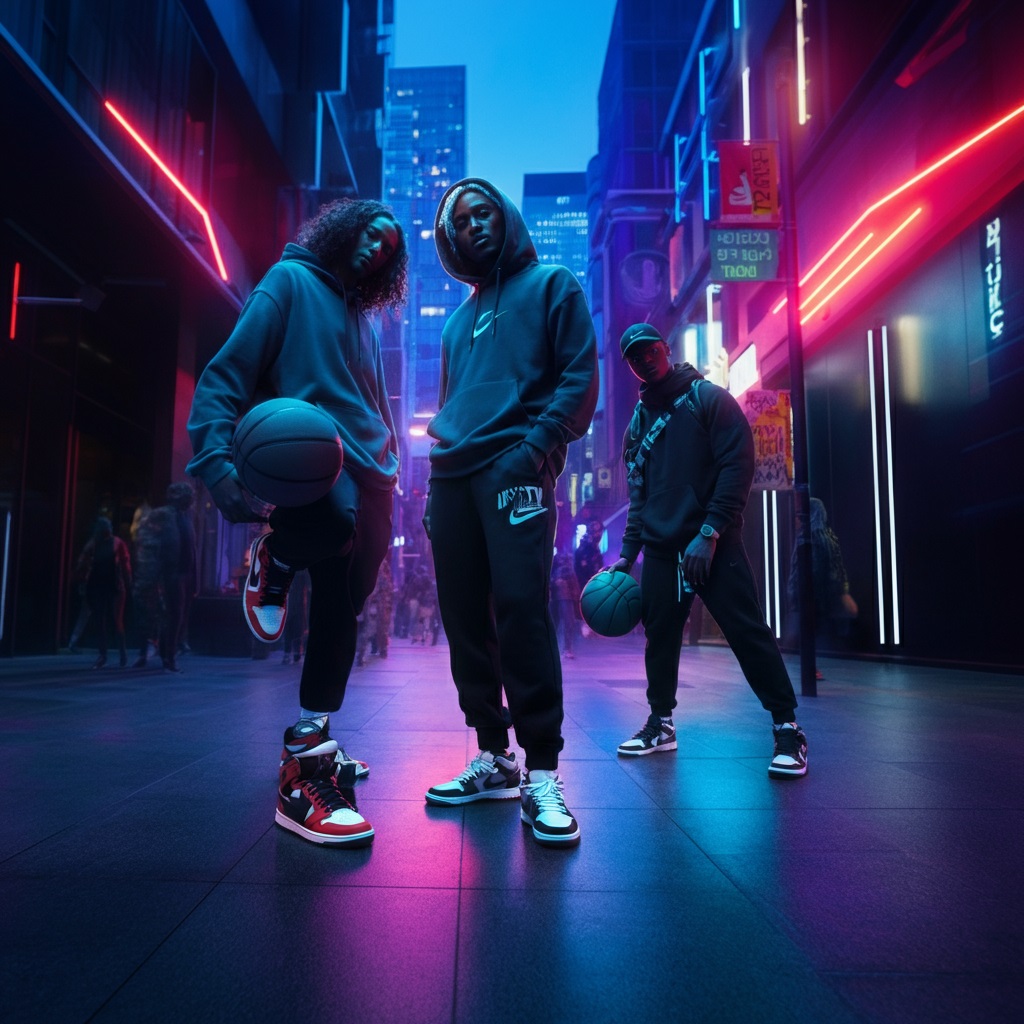
Sportswear’s influence on fashion isn’t new; it can be traced back decades. The term streetwear itself began gaining traction in the 1980s, fueled by hip-hop culture, skateboard communities, and sports fans who found freedom in expressing themselves with loose, casual clothing. By the 1990s, basketball shoes like Nike’s Air Jordans had become cultural symbols both on and off the court.
Continues after advertising
This evolution wasn’t just about comfort or functionality. It was about injecting identity into what you wore and celebrating the athletes, values, and culture behind those sports. Today, this influence is baked into streetwear’s DNA.
Why Athletes and Sports Are Streetwear Icons Today
From Michael Jordan to Serena Williams, athletes have played a central role in transforming sports apparel into cherished fashion items. These icons transcend the world of high performance, becoming cultural ambassadors whose notability extends far beyond competition.
Take NBA stars, for instance. Their unmistakable tunnel walks before games have morphed into fashion runways, with players like LeBron James and Russell Westbrook redefining what it means to blend masculinity, athleticism, and high fashion. Likewise, tennis champion Naomi Osaka’s collaboration with Louis Vuitton highlighted how women’s sports stars are equally shaping trends and breaking stereotypes.
When athletes wear cutting-edge designs or team up with global brands, they transform fashion into storytelling. Their influence is aspirational, demonstrating that their style trends are not just athletic but also powerful and incredibly personal.
The Role of Designer Collaborations in Redefining Fashion
Nothing has merged sports and streetwear as effectively as high-profile collaborations between fashion houses, athletes, and iconic sports brands. These efforts have blurred the lines between performance clothing and everyday wear.
Sneaker Culture’s Everlasting Impact
Sneakers anchor the relationship between sports and style. Sneakers like Adidas’ Yeezy line (a Kanye West collaboration) or Nike’s Off-White designs with the late Virgil Abloh demonstrate how functional athletic footwear has become a status symbol. “Sneaker drops” have become worldwide events, with fans lining up for hours or entering lotteries for the chance to score exclusive pairs.
High Fashion Meets Sportswear
Luxury brands are increasingly entering the sportswear market, redefining what it means to wear “athletic” apparel. Gucci’s partnership with Adidas resulted in retro-inspired sportswear pieces with luxury finishes, while Dior’s collaboration on the iconic Air Jordan 1 elevated the humble basketball sneaker to high-fashion prestige.
These collaborations prove that sportswear isn’t just functional; it’s sophisticated and innovative. High-fashion designers recognize this and find beauty in athletic aesthetics, pushing boundaries on fabrics, tailoring, and colorways.
How Sportswear Has Changed the “Casual” Look
For decades, formalwear dominated workplace and social attire. But with the rise of remote work and changing attitudes toward what’s considered “acceptable dress,” athleisure has become one of the fastest-growing categories in fashion. Sweatpants, yoga leggings, track jackets, and other traditionally sporty items are now staples of both casual and semi-formal wear.
This trend goes beyond comfort. It symbolizes a shift in attitude. Today’s consumers prize versatility and functionality just as much as they value style. Brands like Lululemon, Nike, and Champion have capitalized on this demand, creating pieces that can effortlessly transition from the gym to the office to after-work hangouts.
Sportswear and Sustainability
The relationship between sports and streetwear extends into sustainability, a major priority for today’s fashion-conscious consumers. Many sports brands have embraced eco-friendly practices by using recycled materials or exploring new fabric technologies. Adidas’ collaboration with Parley for the Oceans, which uses plastic waste to create footwear, is a leading example of how sportswear brands address environmental concerns.
Additionally, streetwear’s emphasis on limited runs and “drop” culture has encouraged intentional and mindful buying behavior. By limiting production, brands make exclusive collections more valuable and reduce overproduction, aligning with the principles of sustainability.
The Future of Sportswear in Streetwear Fashion
Moving forward, sportswear’s influence on fashion will only grow stronger. Advancements in wearables, fabric technology, and virtual experiences bring new opportunities for brands to merge utility with style. Imagine digital-first apparel that combines esports aesthetics or collaborations that leverage AI-generated designs.
Additionally, the ongoing cross-pollination between cultures globally ensures that sportswear and streetwear will continue to take cues from diverse styles—from the soccer jerseys of European leagues to street basketball uniforms in urban cities.
Read More👉 How AI is Transforming Cricket
Why This Trend Is Here to Stay
The ongoing relationship between sports, streetwear, and fashion represents more than just functional or aesthetic preferences. It’s a cultural bridge for communities to connect, express themselves, and unite around values such as perseverance, teamwork, and innovation.
Sports aren’t just shaping how we dress; they’re transforming what clothing represents. Whether your outfit is inspired by the graveled streets of your favorite skate park or the polished vibe of a high-end luxury collab, this much is certain: fashion will always have its roots in movement, performance, and individuality.