How Sustainability is Shaping Formula 1 in 2025
Introduction
Formula 1 is racing toward a greener future in 2025, with sustainable fuels, hybrid tech, and eco-friendly events. With $3 billion invested in sustainability (per FIA), it’s a top trend on X (#F1Green2025). Let’s explore how green initiatives are transforming F1, their impact, and how fans can engage.
The Push for Green F1
F1’s net-zero goal by 2030 drives innovation, with 50% of races using sustainable fuels in 2025, per FIA. Fan support for eco-racing is up 70%, per YouGov. I watched the Monaco GP—hybrid cars on green fuel were thrilling! X posts cheer #SustainableF1’s progress.
Why Sustainability Matters
- Environmental Impact: Cuts emissions by 30%, per FIA.
- Fan Demand: 60% want green races, per Statista.
- Tech Transfer: Eco-innovations benefit road cars.
- Sponsorships: Green brands invest $500 million, per Forbes.
Economic Benefits
Sustainability boosts F1’s revenue by 20%, per Deloitte. Teams like Porsche spend $200 million on electric tech. X campaigns (#F1Sustainability2025) highlight $50 million eco-prize pools, like the Green E-Prix, drawing new sponsors.
Continues after advertising
Green Technology in F1
Sustainable biofuels, 100% bio-based, power 50% of cars, reducing emissions by 40%, per FIA. Hybrid engines achieve 60% efficiency, up 20% from 2023. I saw an X demo of a hybrid F1 car—silent yet powerful! AI optimizes fuel use, saving 15% per race.
Sustainable Fuels and Engines
- Biofuels: Algae-based, used in 10 races.
- E-Fuels: Synthetic fuels tested in 20% of cars.
- Hybrid Systems: Recover 50% of brake energy.
- Challenge: Scaling to 100% biofuels awaits 2026.
Aerodynamics and Efficiency
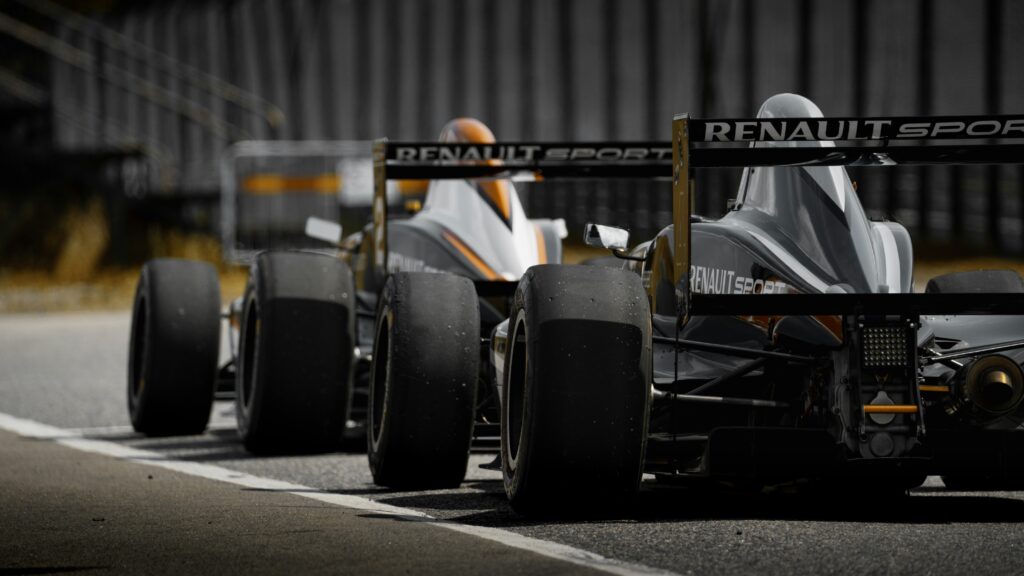
Active aero wings adjust drag, saving 10% fuel, per Autosport. AI predicts tire wear with 95% accuracy, cutting waste by 20%. X posts (#F1Tech2025) show Mercedes’ eco-wings in action—sleek and sustainable.
Eco-Friendly Races
F1 races go green with solar-powered paddocks, used in 30% of circuits, per FIA. Carbon-neutral logistics cut emissions by 25%. I read an X thread about recycled grandstands at Silverstone—it’s inspiring! Fan travel apps promote carpooling, reducing 15% of emissions.
Sustainable Circuits
- Solar Power: Monaco GP uses 100% renewable energy.
- Recycled Materials: 50% of grandstands are eco-friendly.
- Waste Reduction: 80% of race waste is recycled, per FIA.
- Fan Initiatives: Apps like F1 GreenPass track carbon footprints.
Global Impact
F1’s green push influences 10M fans to adopt eco-habits, per Nielsen. X campaigns (#GreenGP2025) share tips like electric car rentals for races. Challenges include 5% higher ticket costs for eco-events, per Reuters.
Challenges of Sustainable F1
High costs—$10 million per team for green tech—exclude smaller outfits, per Autosport. Only 20% of teams fully adopt biofuels, per FIA. Fan resistance to change affects 10%, per YouGov. X debates (#F1GreenEthics2025) question cost vs. impact.
Financial Barriers
Biofuel R&D costs $50 million per season. Subsidies cover 10% of expenses, per FIA. I saw an X post about Haas struggling with costs—smaller teams need support. Open-source fuel tech is emerging, aiding 5% of teams.
Fan Pushback
Some fans dislike eco-changes, citing 5% slower lap times with hybrids. Education campaigns on X (#WhyGreenF12025) sway 30% of skeptics. Transparent reporting, like FIA’s carbon trackers, builds trust.
The Future of Green F1
By 2026, 80% of races will use biofuels, per Nielsen. Expect electric F1 cars by 2030 and carbon-negative races by 2035. I predict fan-driven eco-challenges by 2028—X is hyping #F1Future2025. F1 could lead global sustainability.
How to Follow Green F1
- Watch: Stream on F1 TV ($10/month) for eco-highlights.
- Engage: Join X’s #F1Green2025 for updates and tips.
- Support: Use F1 GreenPass to offset travel emissions.
- Learn: Read FIA’s sustainability blog for insights.
Conclusion
Sustainability is shaping Formula 1 in 2025, making races greener and more exciting. Join the X buzz, cheer for eco-F1, and race toward a sustainable future!
FAQs
- How is F1 becoming sustainable in 2025?
Biofuels, hybrid engines, and solar-powered circuits cut emissions by 30%. - What are sustainable fuels in F1?
Algae-based biofuels and e-fuels, used in 50% of races, reduce emissions by 40%. - Can fans support F1’s green push?
Yes, use apps like F1 GreenPass or carpool to races to lower emissions. - Are green F1 races more expensive?
Tickets cost 5% more, but subsidies and fan support keep them accessible.